
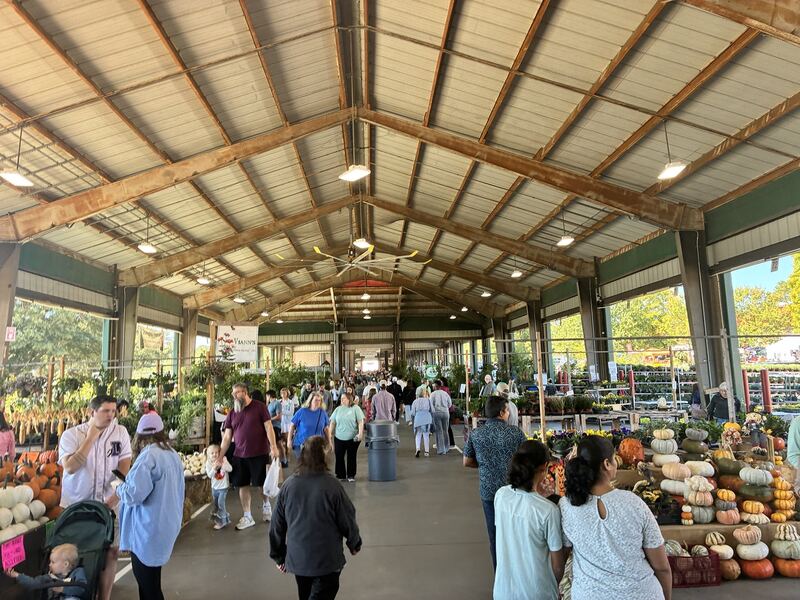
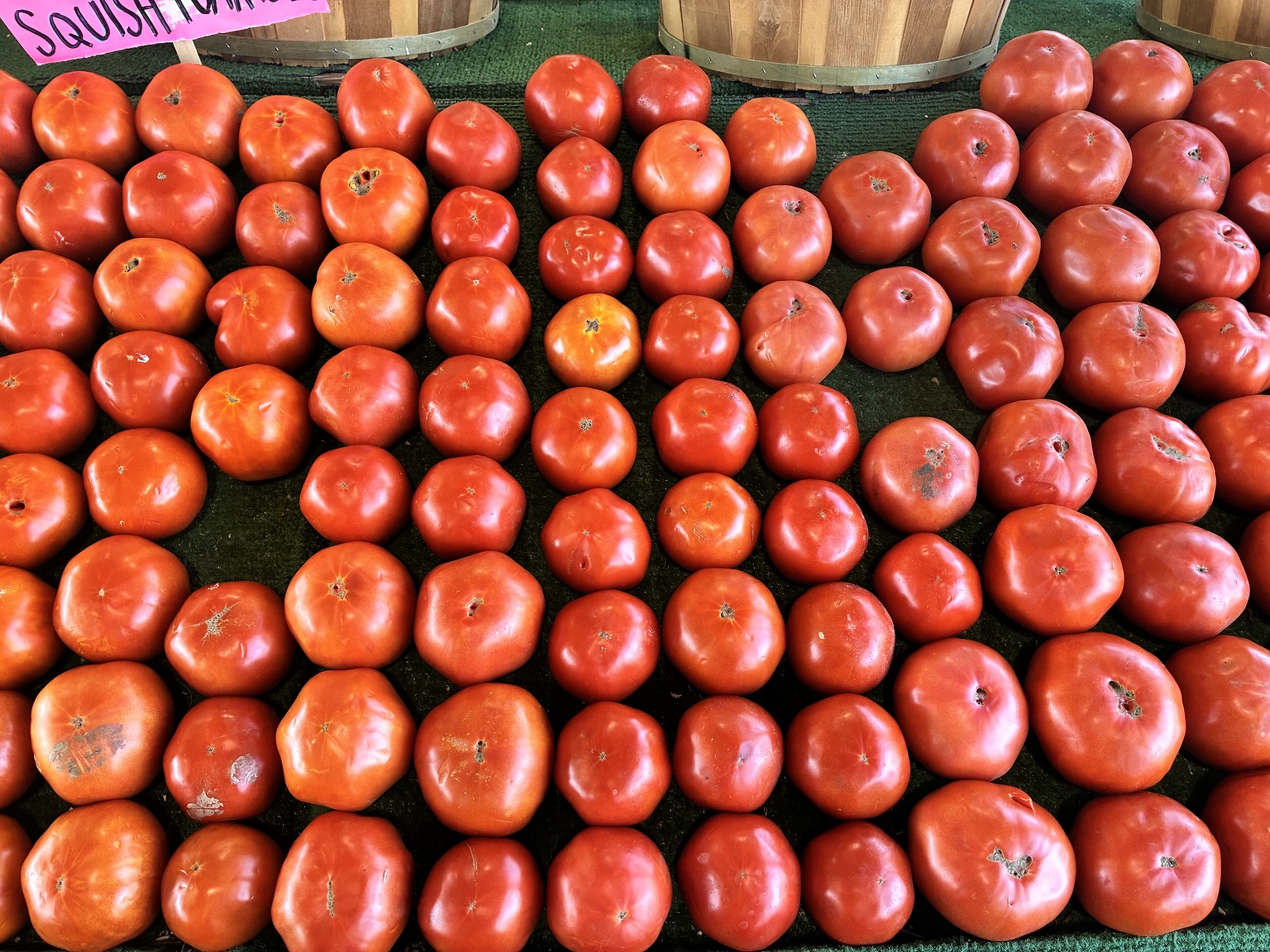
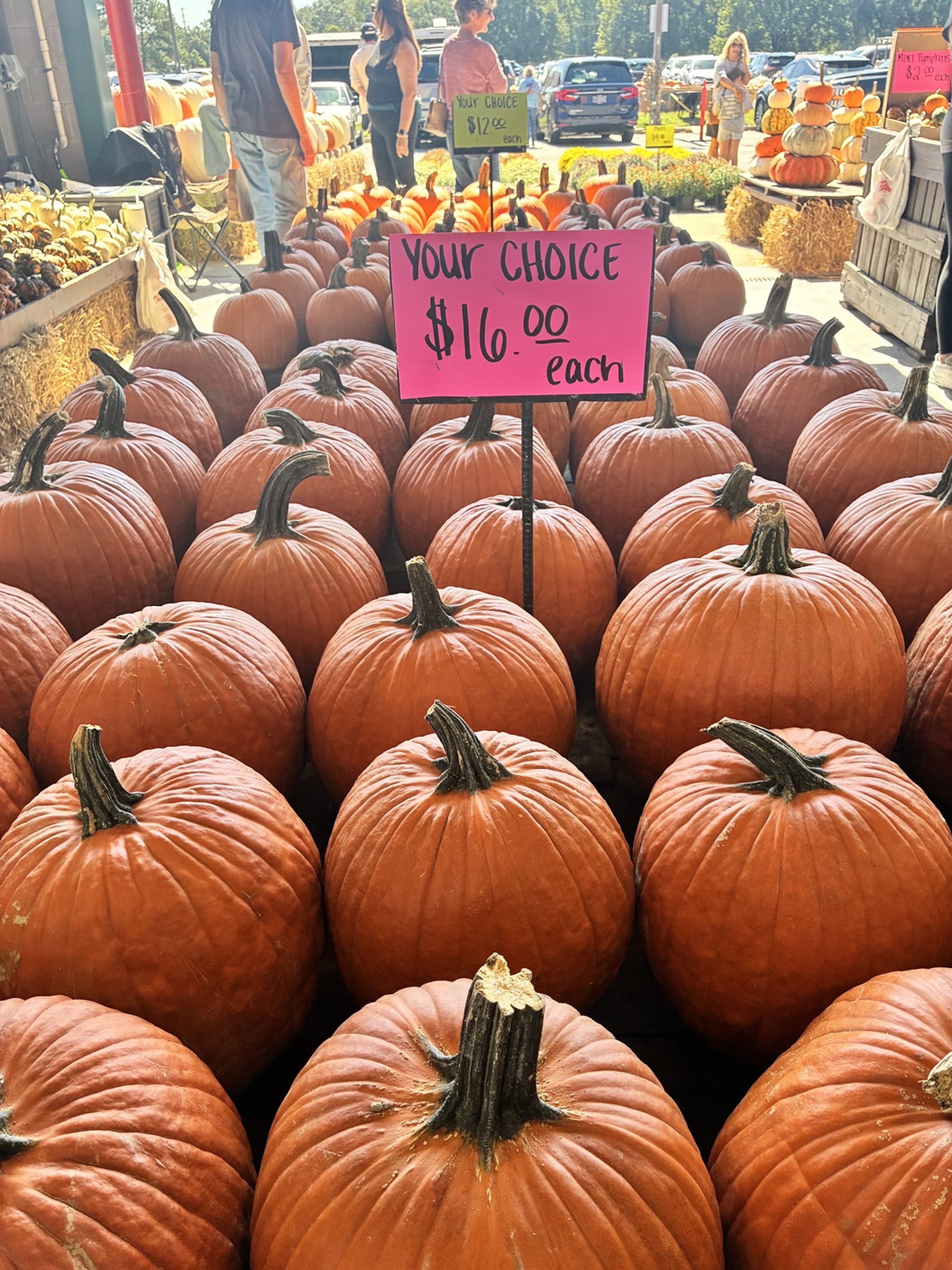
A table of red tomatoes. A mound of orange pumpkins. A covered aisle full of shoppers, with farm signs hanging overhead. At Raleigh’s State Farmers Market, the small details make a grocery stop feel like an outing.
There is room here for both kinds of visit: the purposeful trip for an ingredient and the slower walk that ends with an unexpected find. Follow the produce stalls into the Market Shoppes, then leave time for the plants, pottery, and garden displays. The scene changes from one stop to the next.
Our Raleigh’s photographs capture that variety—from handwritten labels and colorful gourds to the farm names above the aisles. Here is a closer look, along with practical details for planning your own visit.
Start with the produce tables
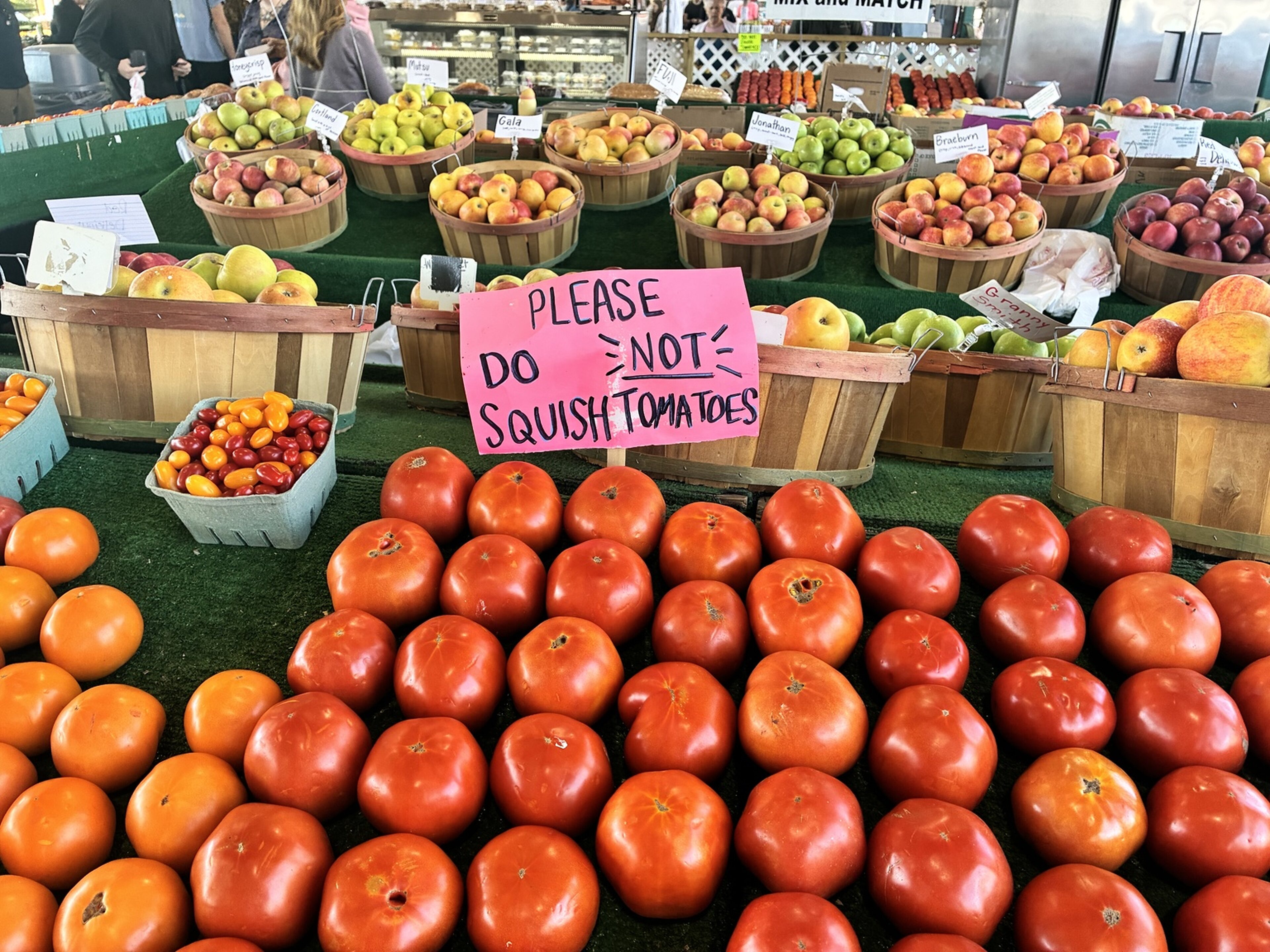
The tomatoes make a strong first impression. Rows of red fruit fill the table, with baskets of produce behind them. A handwritten request asks shoppers not to squeeze the tomatoes—a small reminder that these displays are carefully handled stock, not just a colorful backdrop.
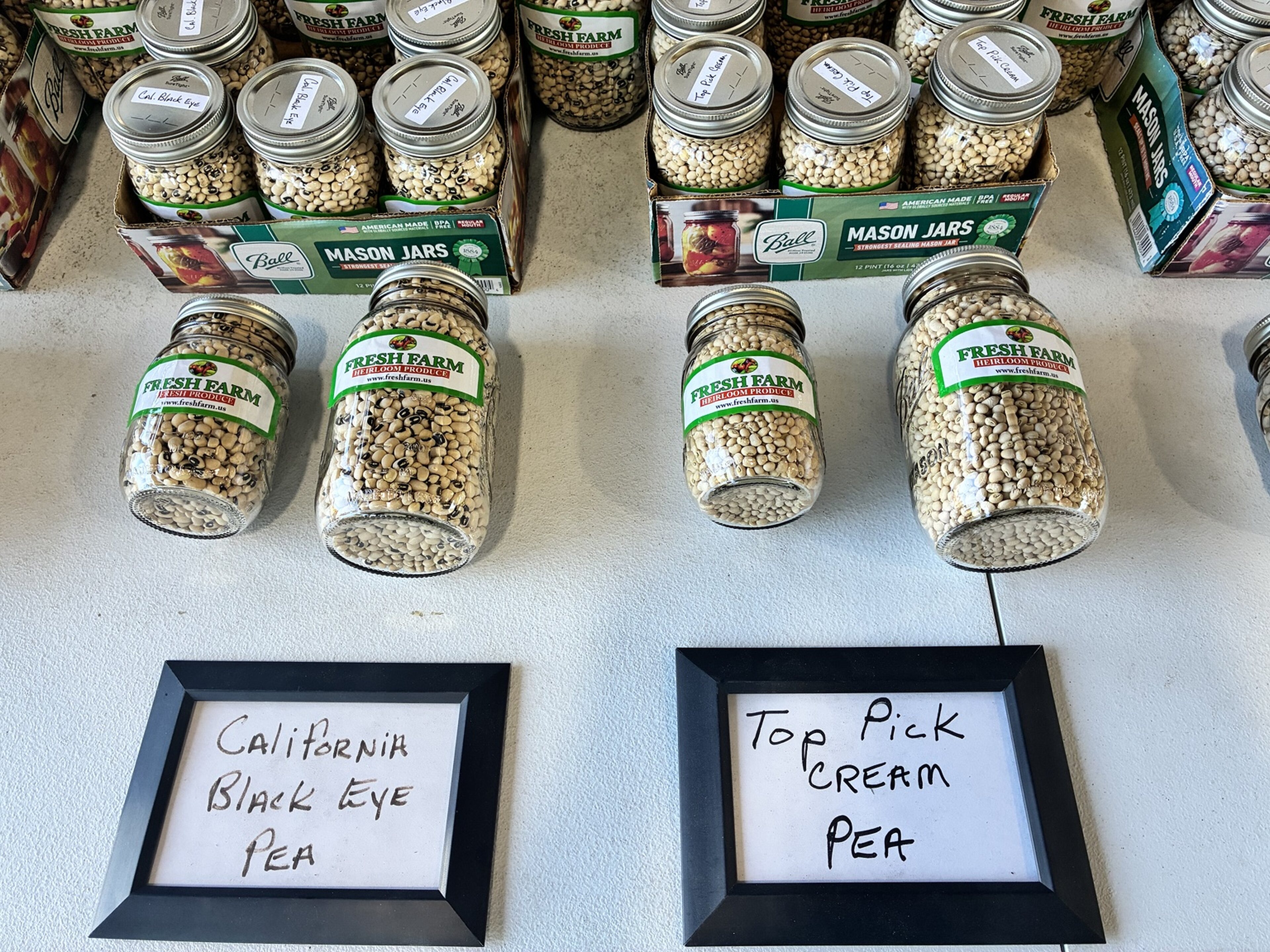
Nearby, jars labeled “California Black Eye Pea” and “Top Pick Cream Pea” invite a closer look. The variety names are a good reason to slow down, read the labels, and ask how a seller would prepare what is on the table.
Keep your shopping plan flexible. Ask what is available, where it was grown, and what needs to be used first. A short conversation about a single ingredient can be more useful than arriving with a fixed expectation of what every stall will carry.
A whole palette of fall
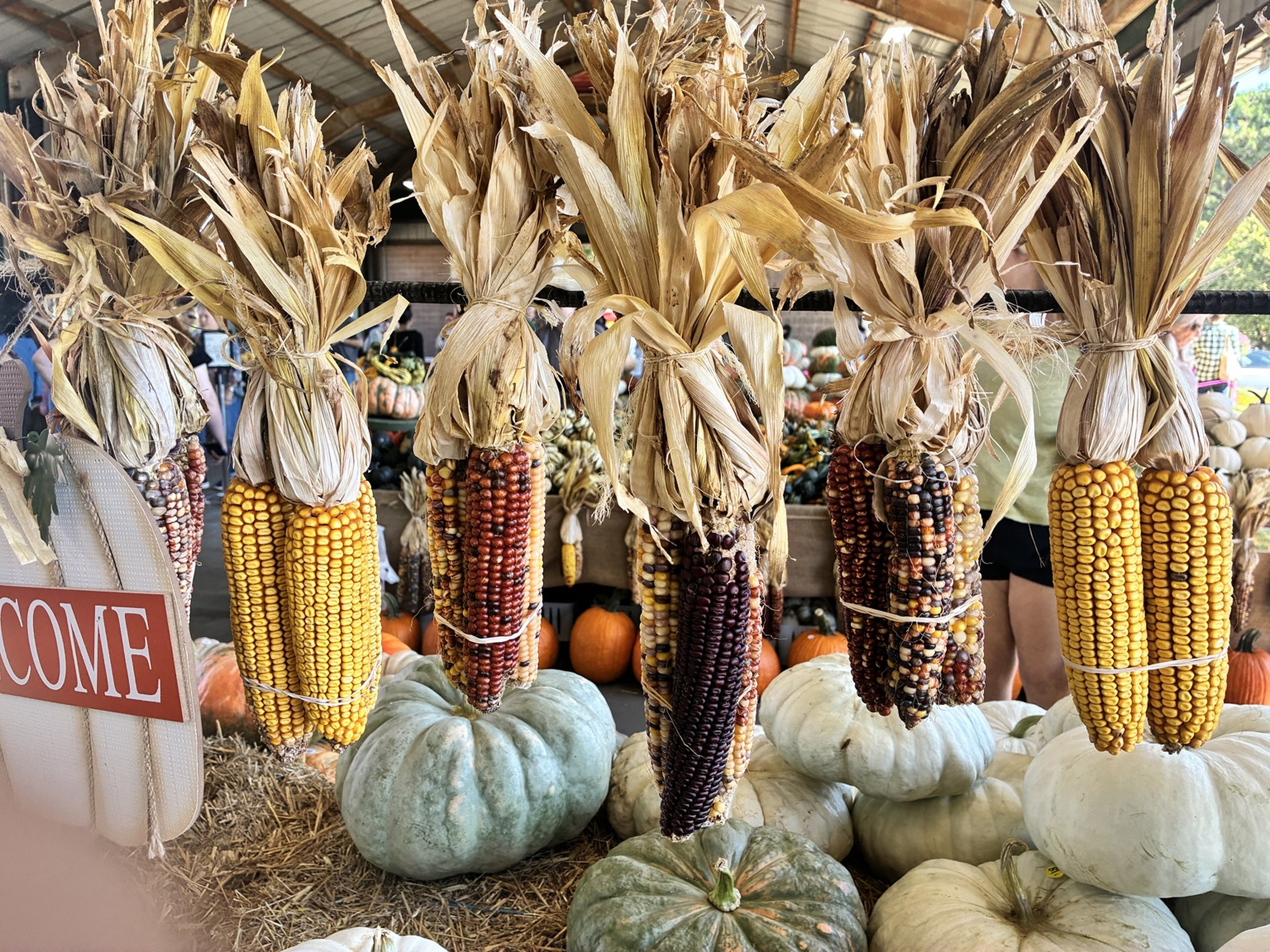
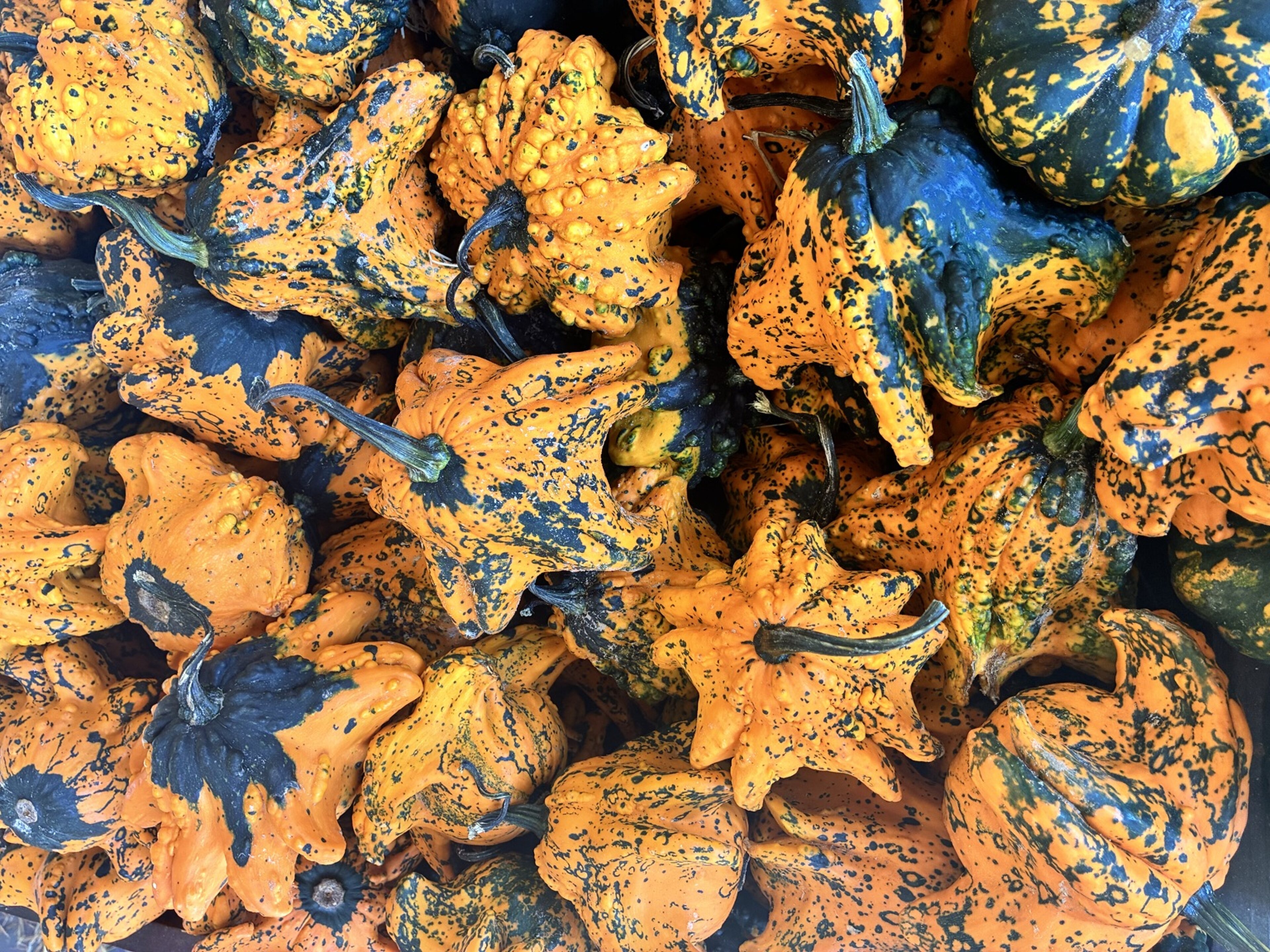
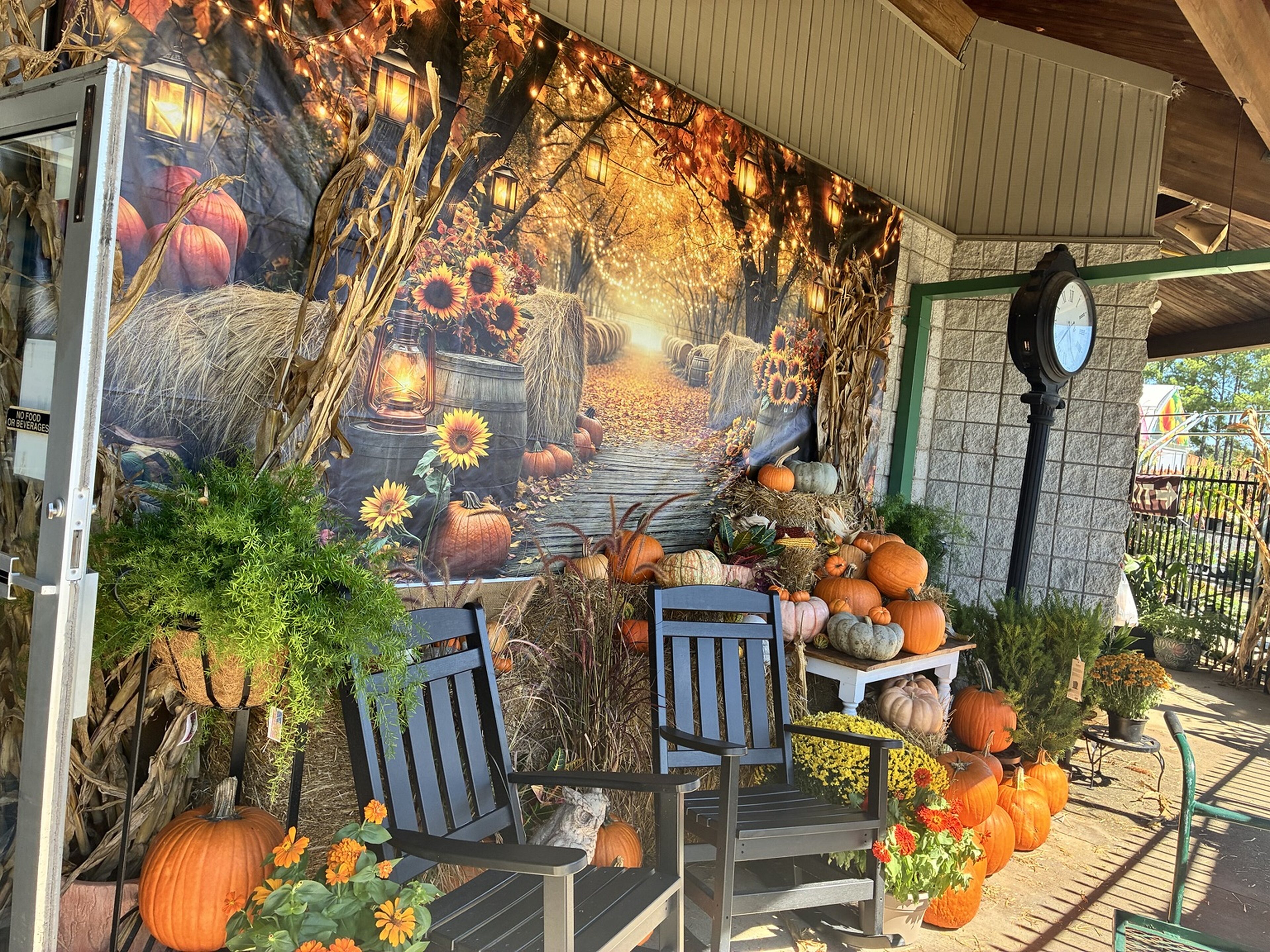
The pumpkin displays turn the walk into a study in color and texture. Familiar orange pumpkins sit alongside pale, deeply ribbed varieties and irregular gourds. Some are smooth and rounded; others are knobbly enough to look sculpted. Dried corn adds another layer, with husks framing patterned kernels.
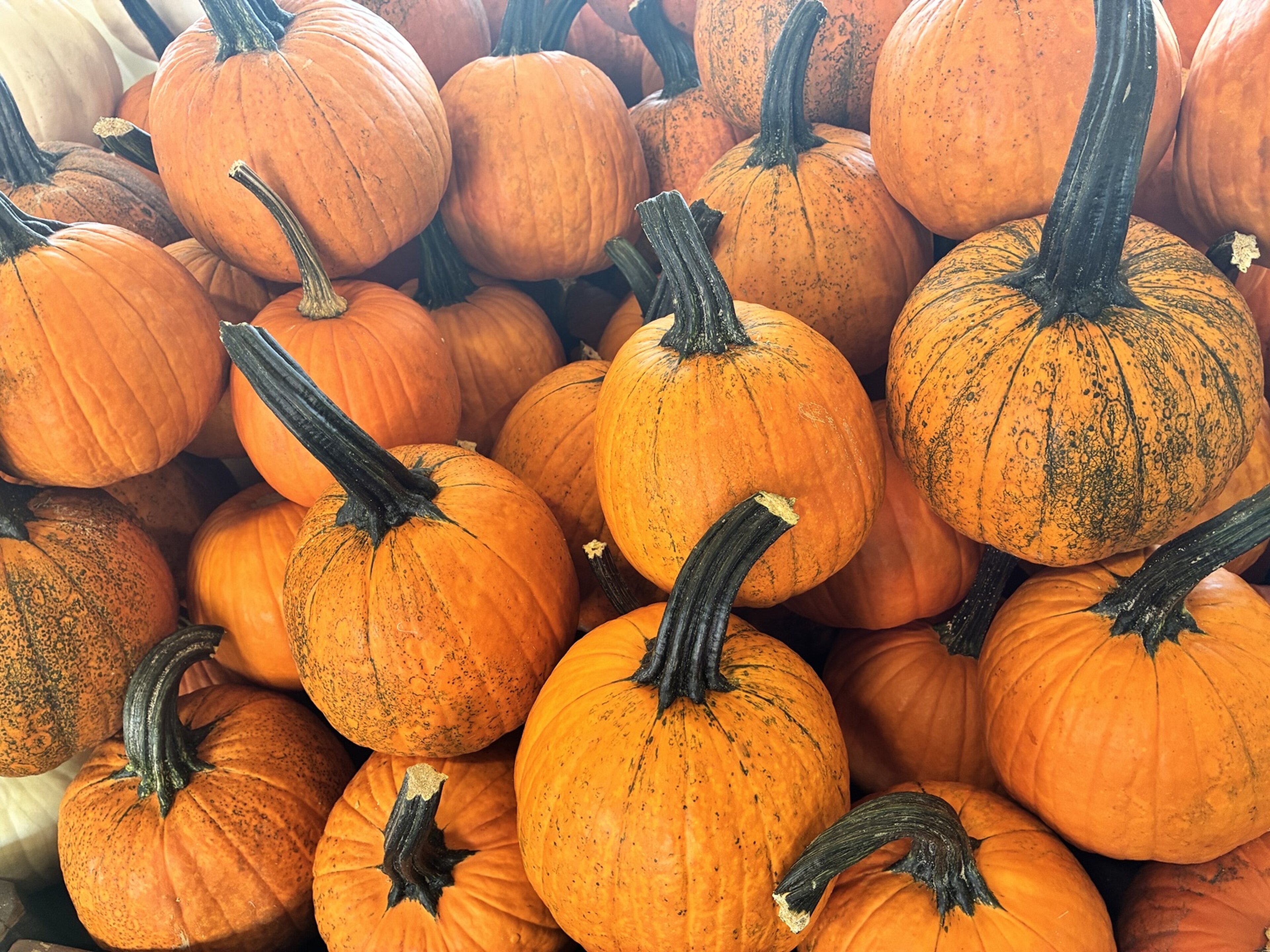
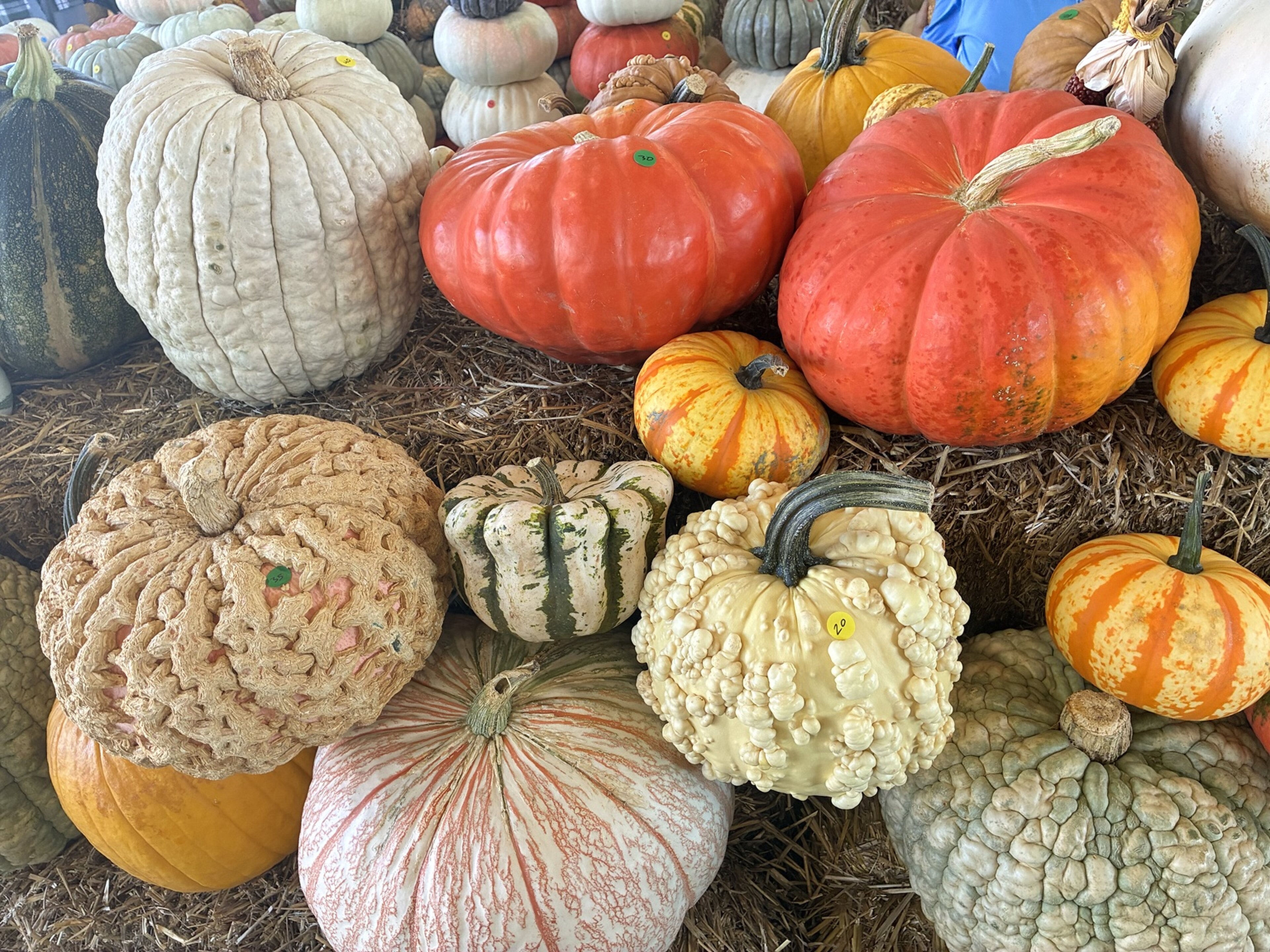
Look beyond the biggest pumpkin in the pile. A small cream-colored one, a flattened green variety, or a gourd with an unusual surface can be just as striking. Together, they show how much variety there is within a display that might otherwise get a quick glance.
If you are choosing something for a doorstep or table, consider shape and scale as well as color. If you want something to cook, ask which varieties are intended for eating and how the seller recommends using them. Stock and prices change; the photographs record the displays during this visit.
Look up: the farm names matter, too
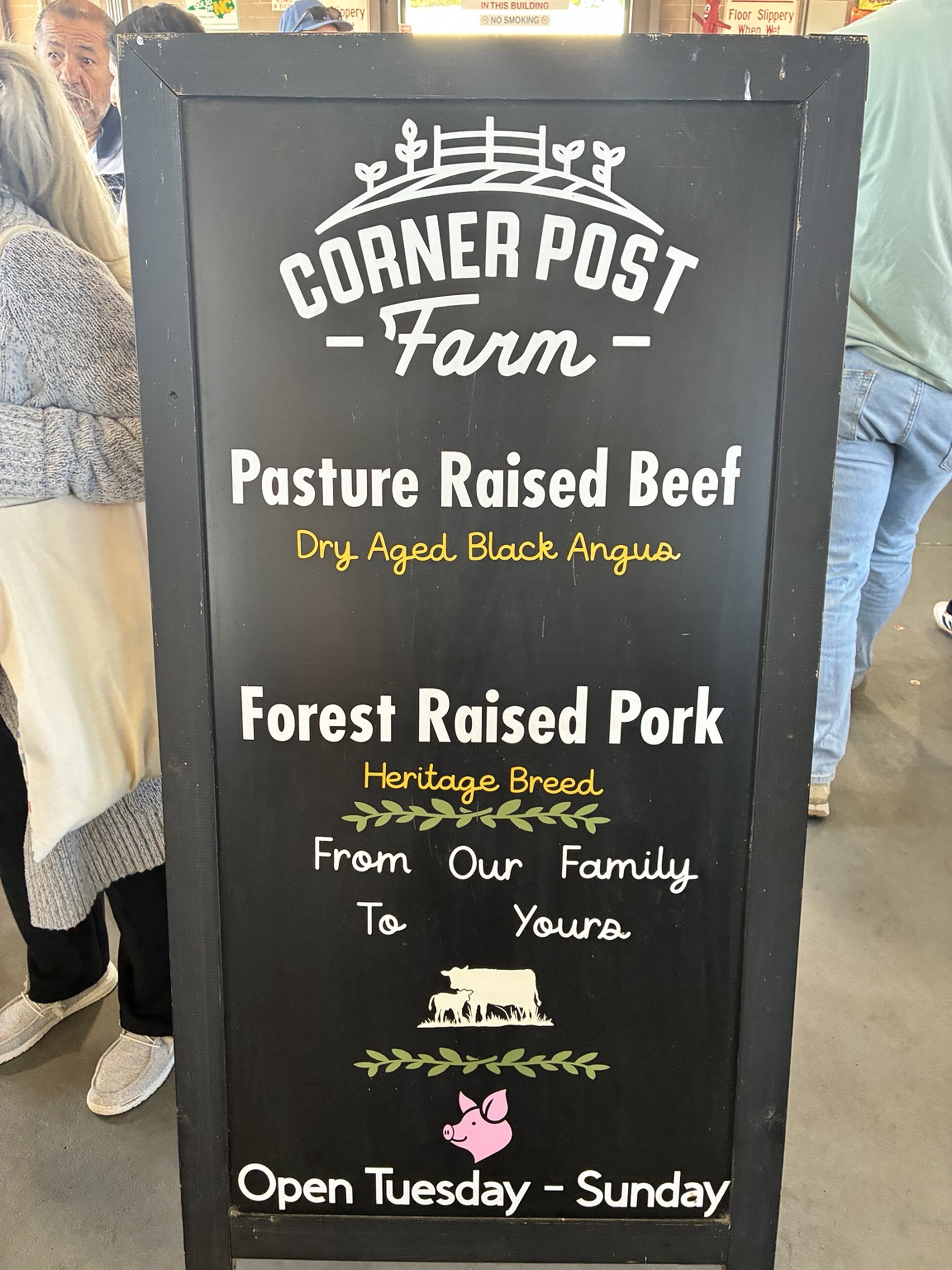
Above a busy aisle, a Sugarloaf Orchards sign identifies Taylorsville, North Carolina. Century Farm signage hangs alongside it. Beneath those signs, shoppers move between stalls—a reminder that a purchase in Raleigh can connect with agricultural communities elsewhere in the state.
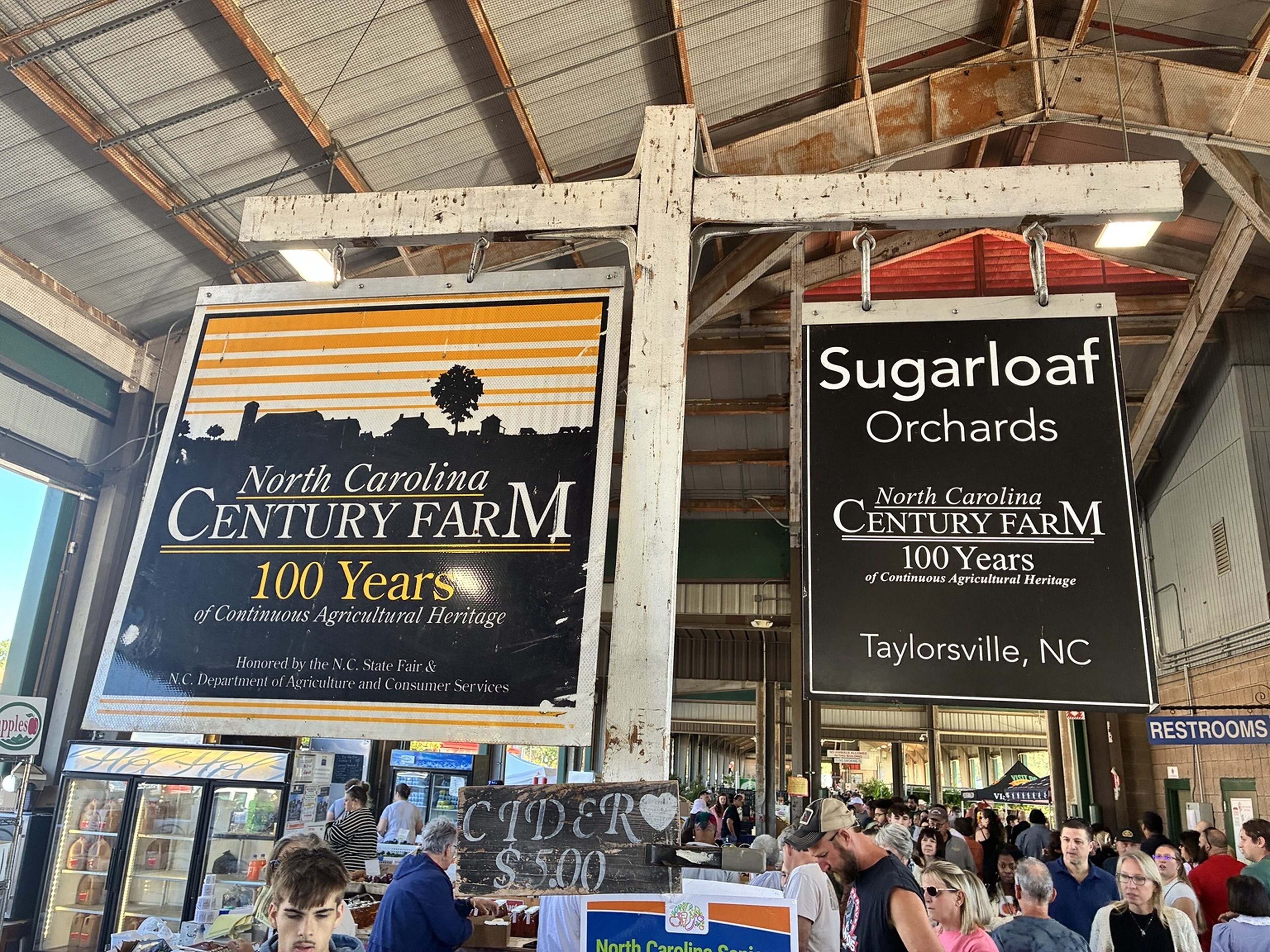
Take a moment to notice those names. They give a market stall an identity and offer a starting point for conversation. What is the grower bringing in this season? Which varieties do regular customers ask for? What would they suggest trying first?
The answers belong to the people doing the work. Asking directly is one of the simplest ways to make a visit more personal and to understand what you are buying.
Keep going into the Market Shoppes
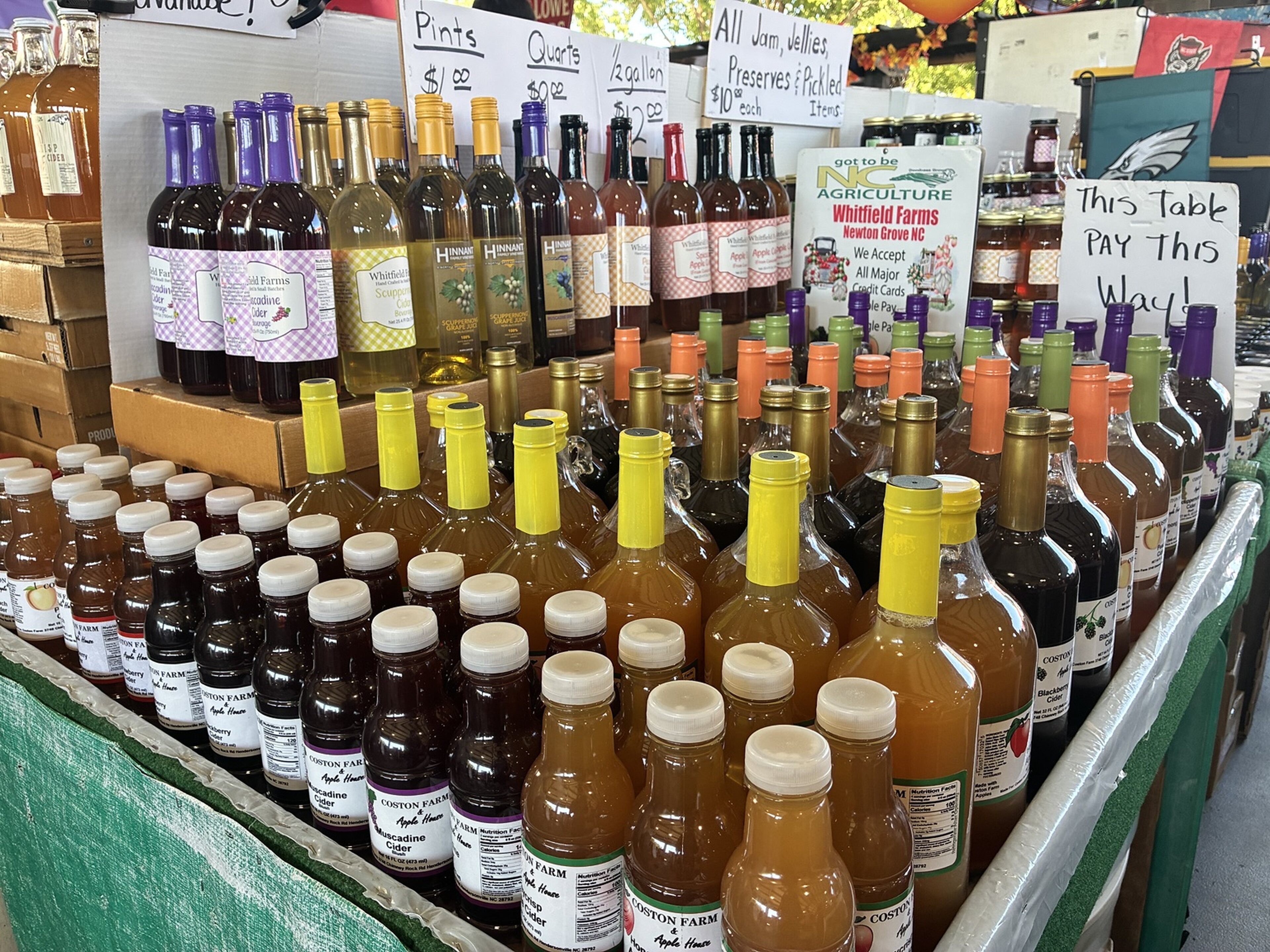
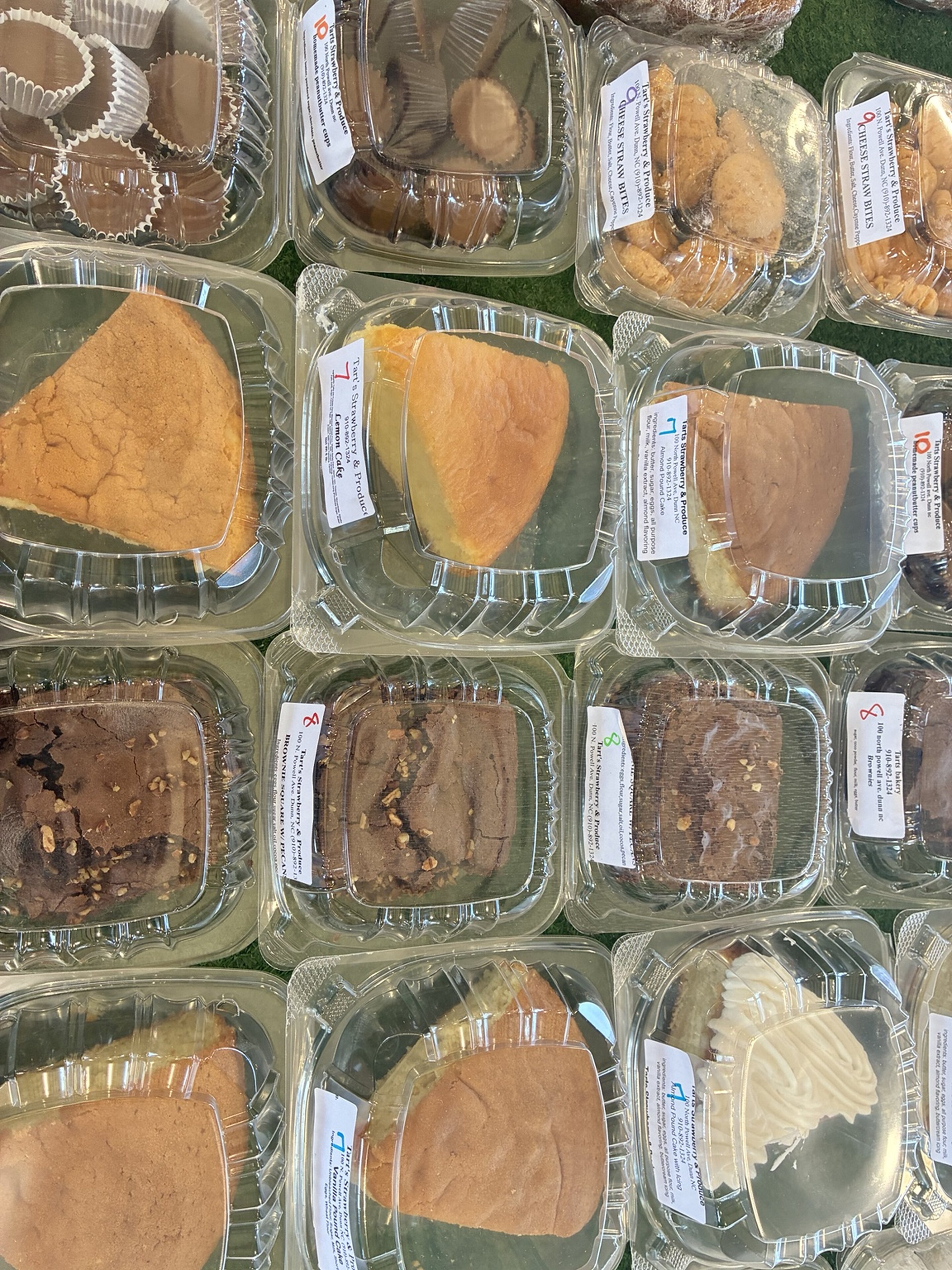
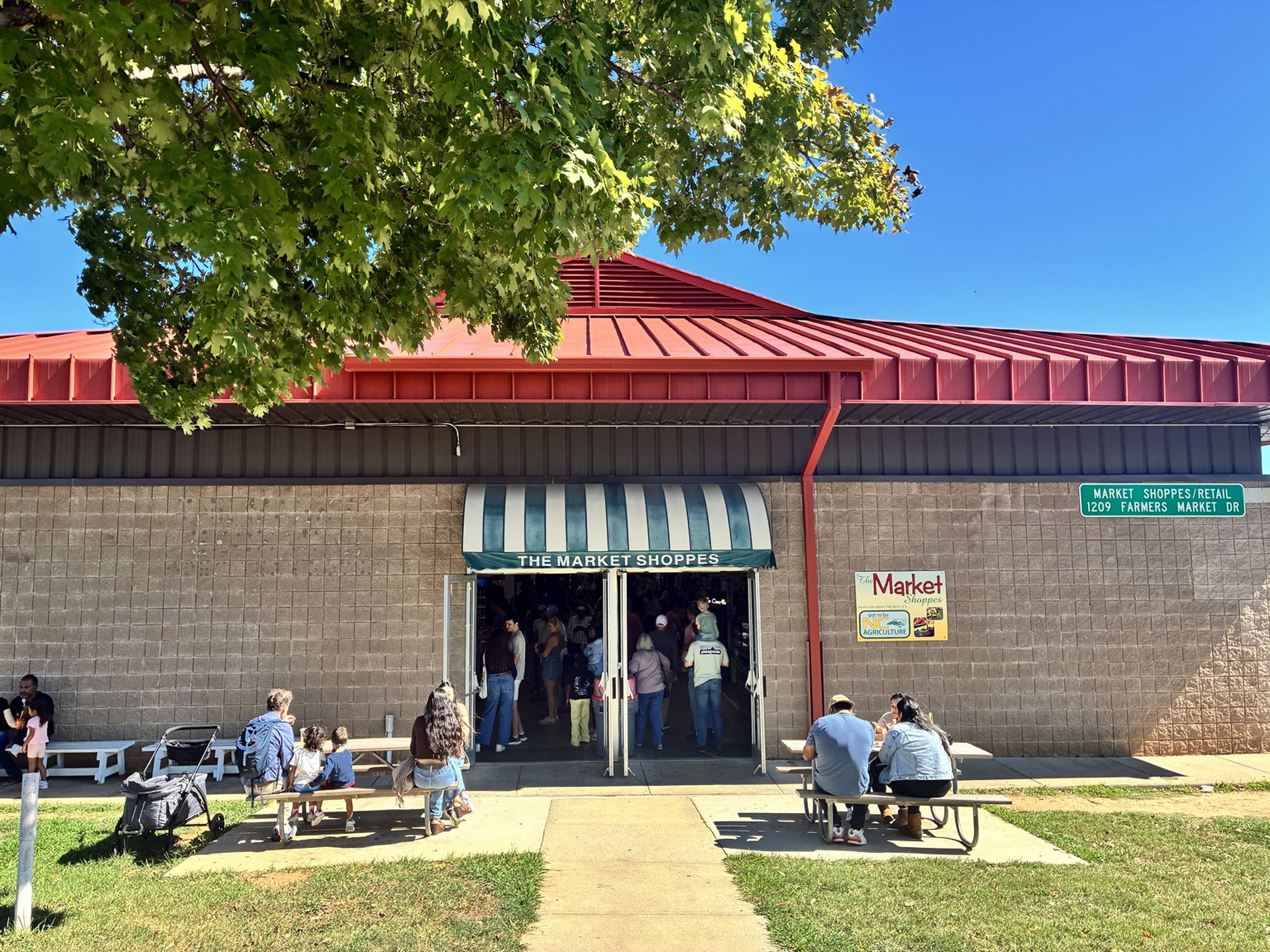
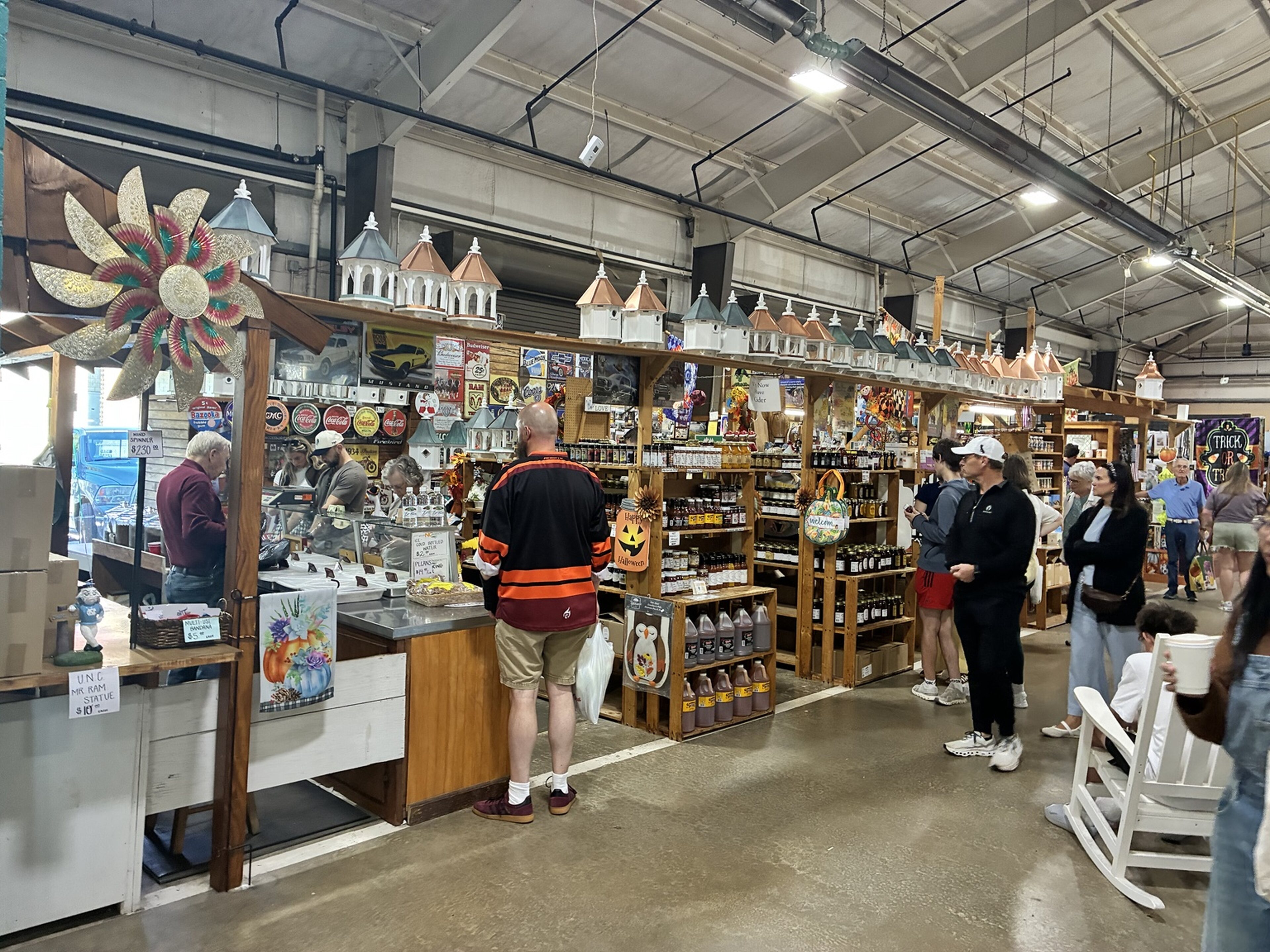
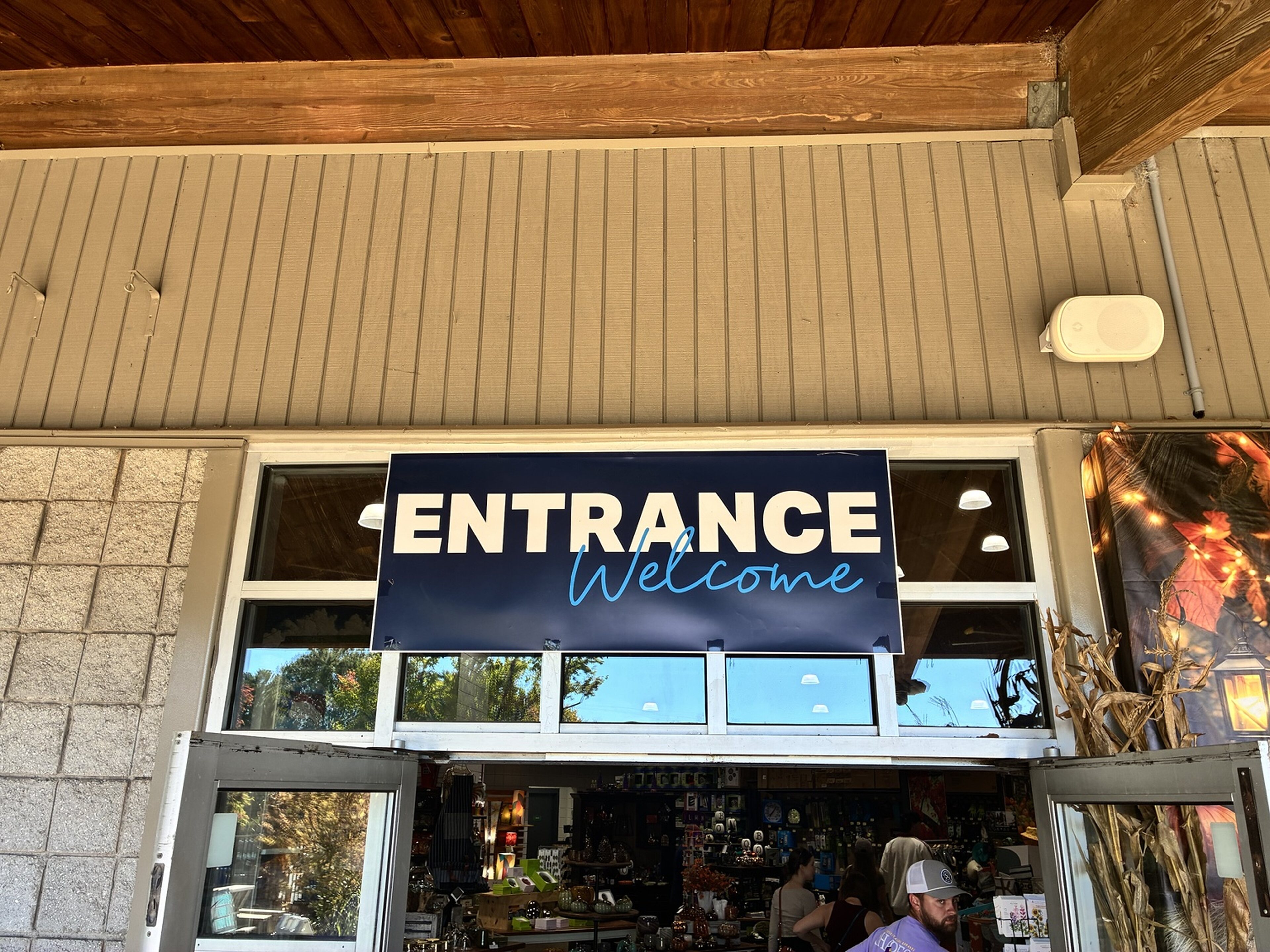
An entrance marked “The Market Shoppes” leads to indoor aisles lined with counters and merchandise. Bottled goods, packaged treats, and specialty displays give this part of the visit a different rhythm from the open produce tables.
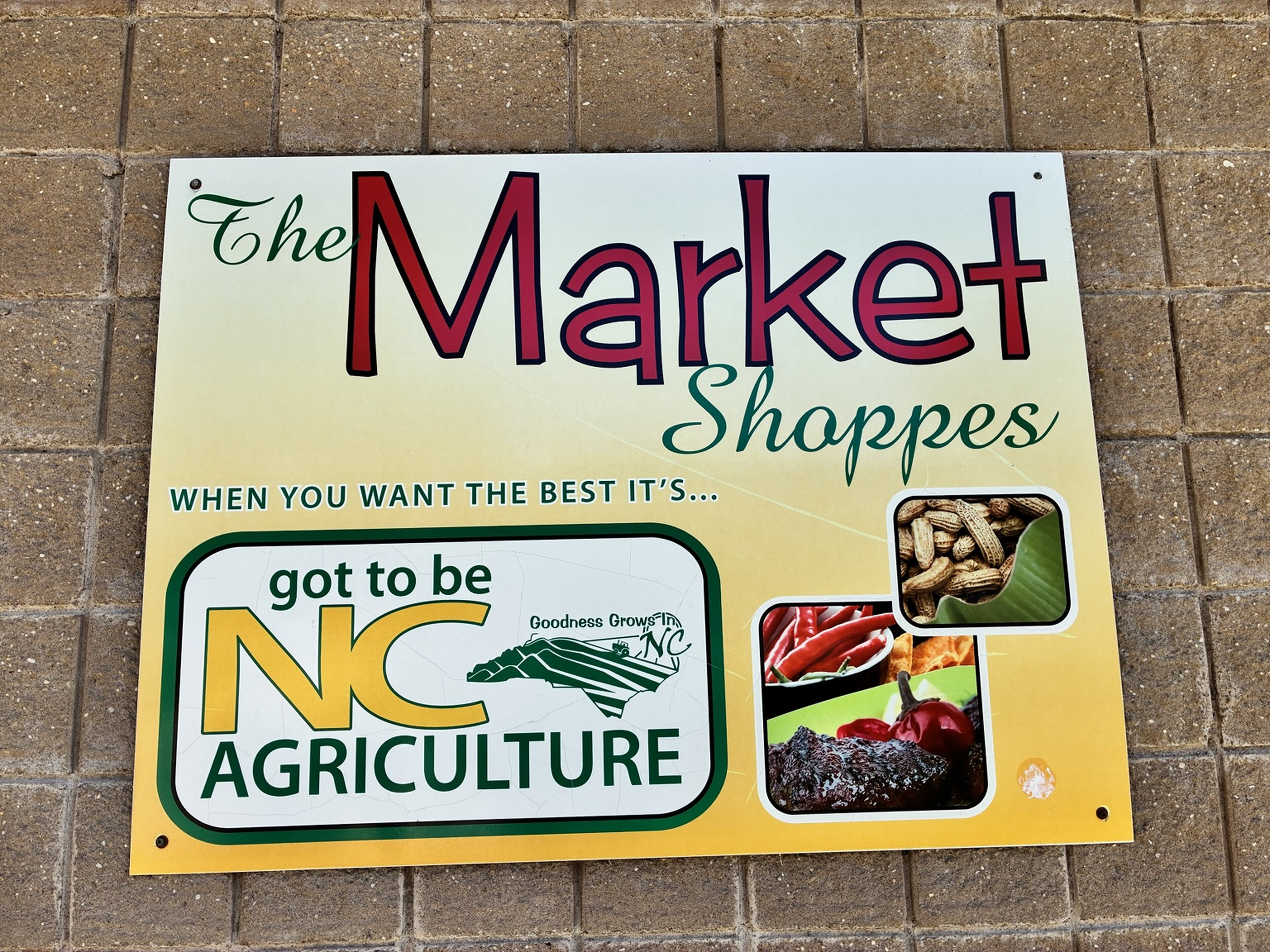
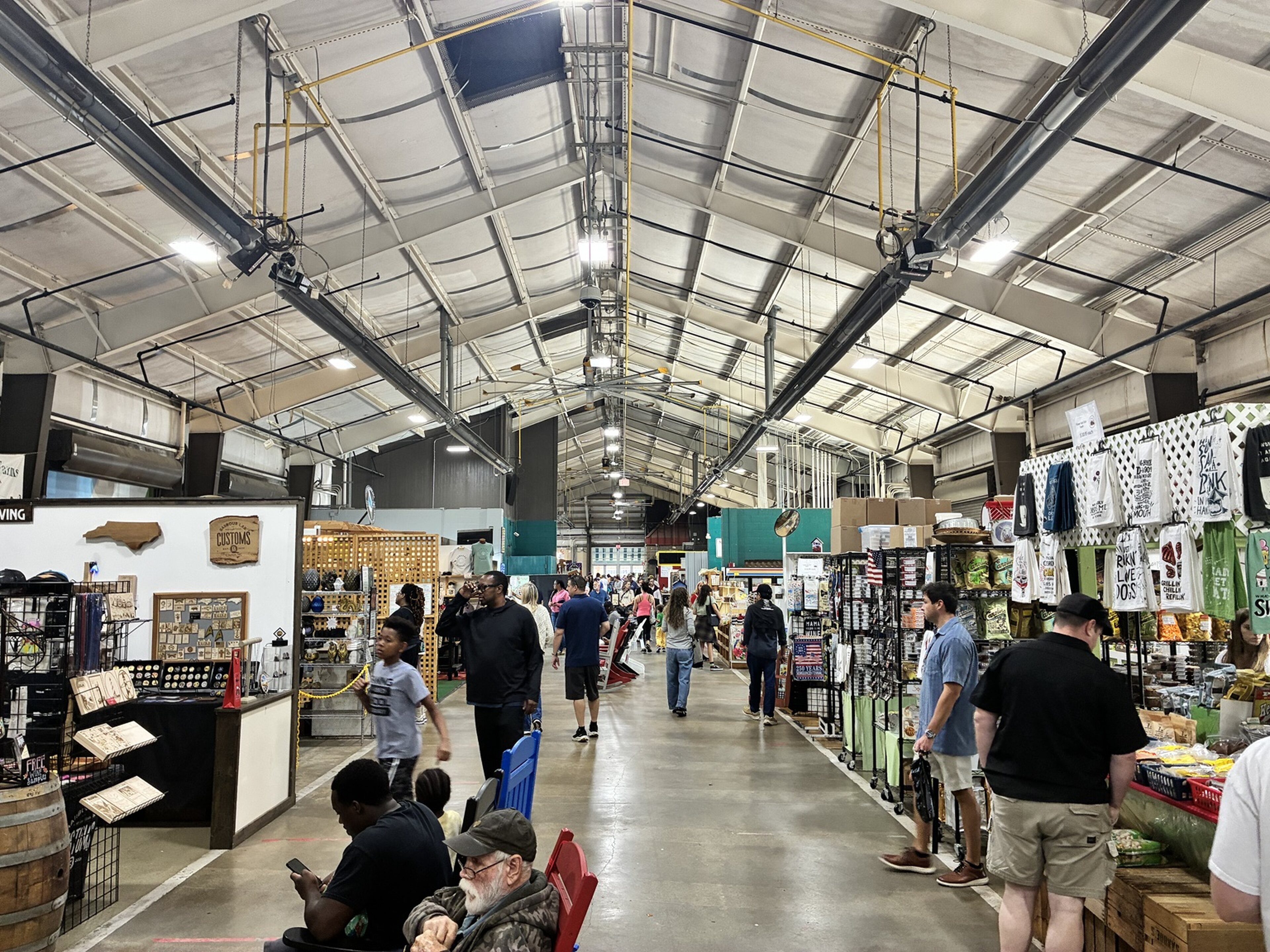
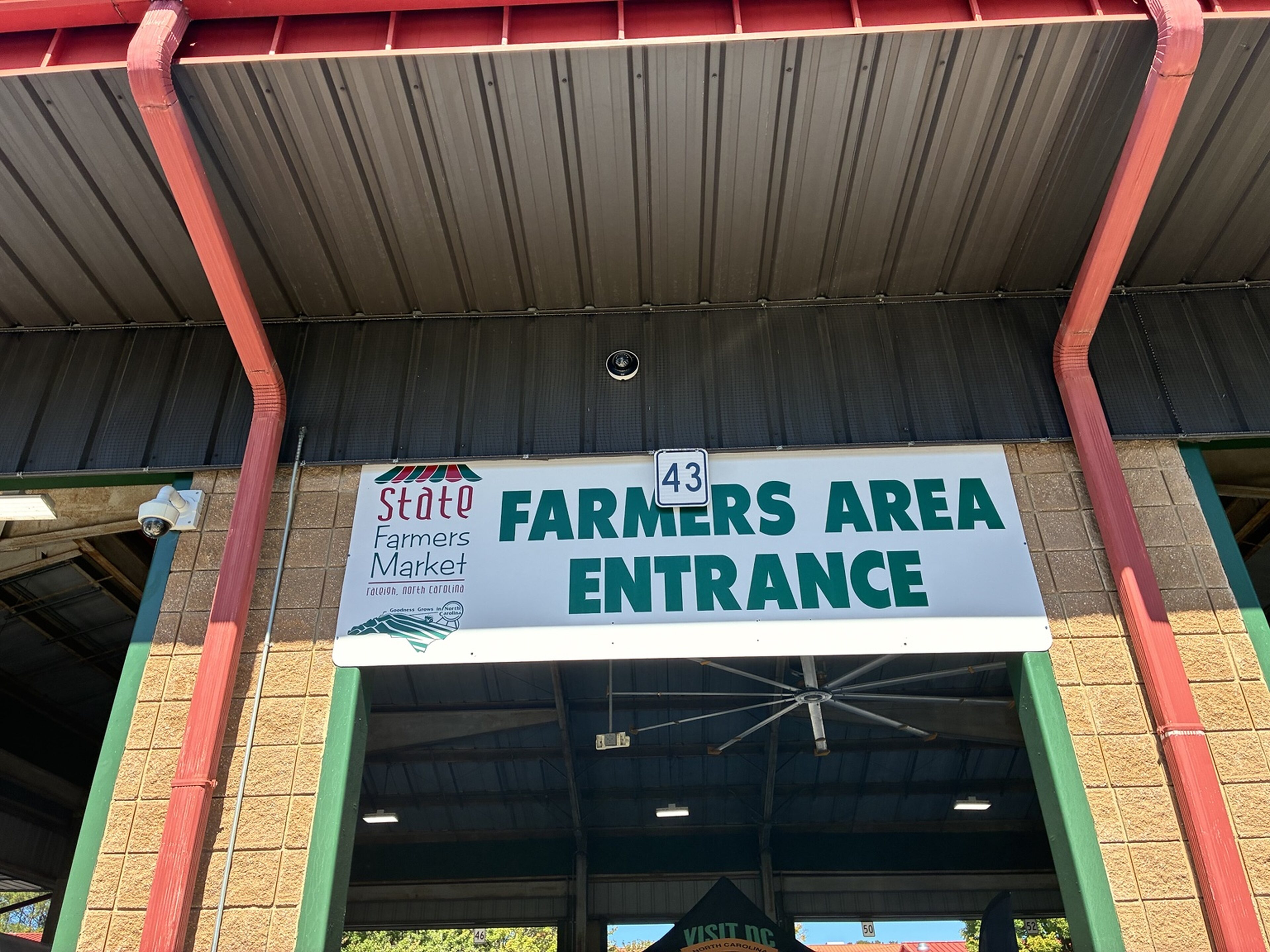
The official market guide distinguishes the Farmers Building from the enclosed Market Shoppes. The latter includes food and specialty retail and carries produce from around the country. Ask about origin rather than assuming every item on the grounds was grown nearby.
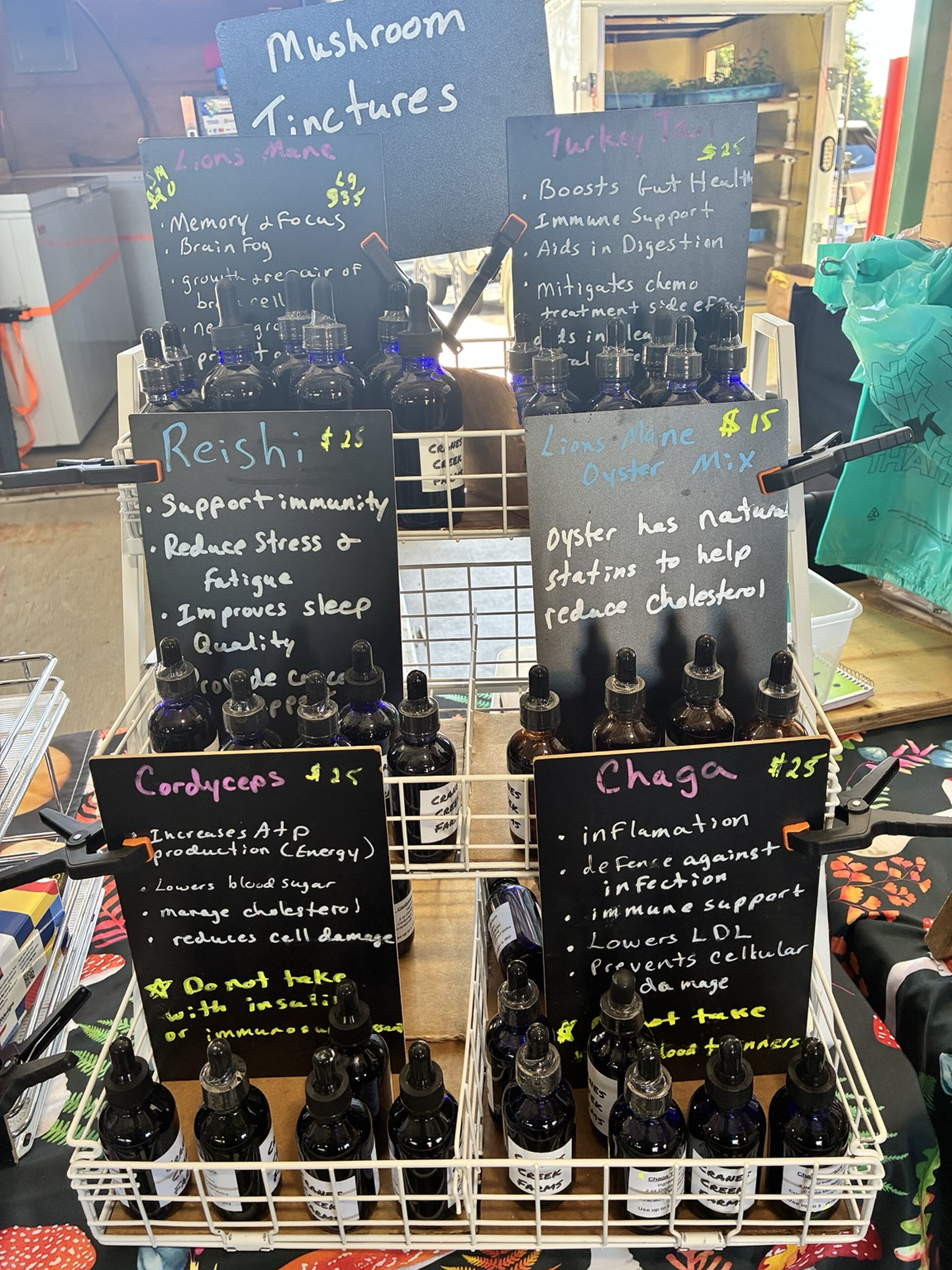
For bottled or packaged foods, check the ingredients that matter to you and ask about storage before taking something home. Leave a little room in the bag for a pantry item or a small gift, but let the label and the conversation guide the purchase.
Make time for the garden side
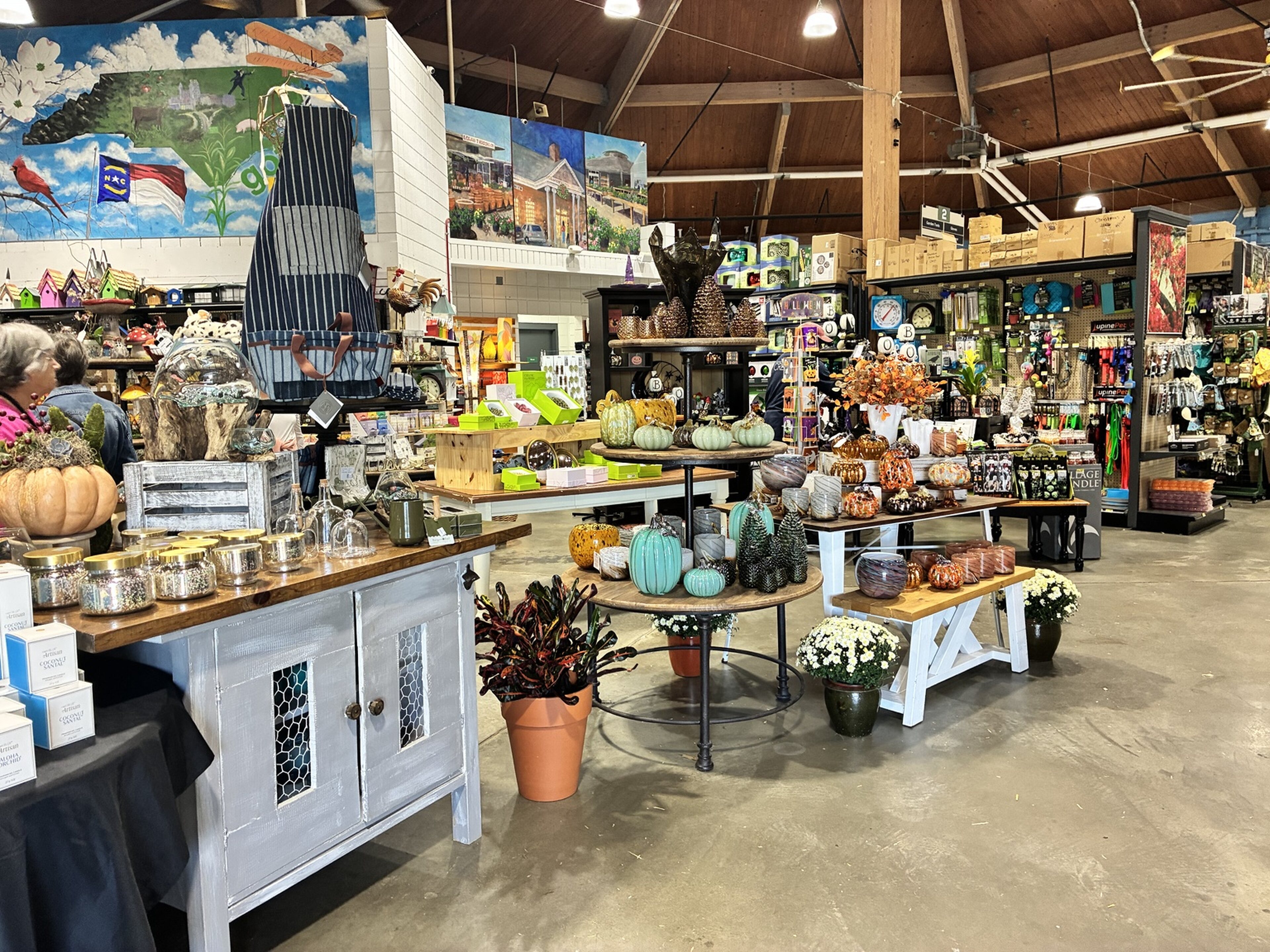
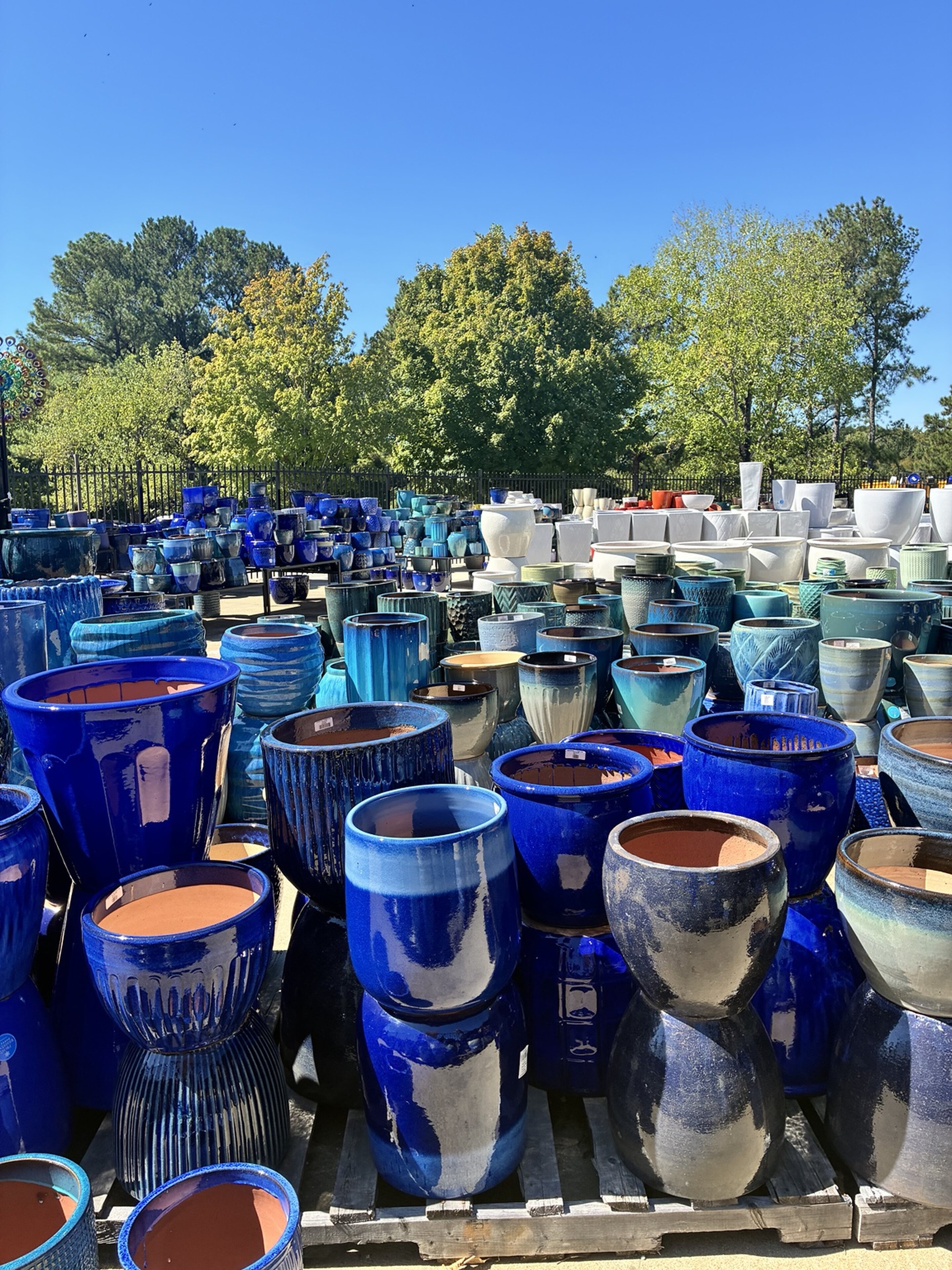
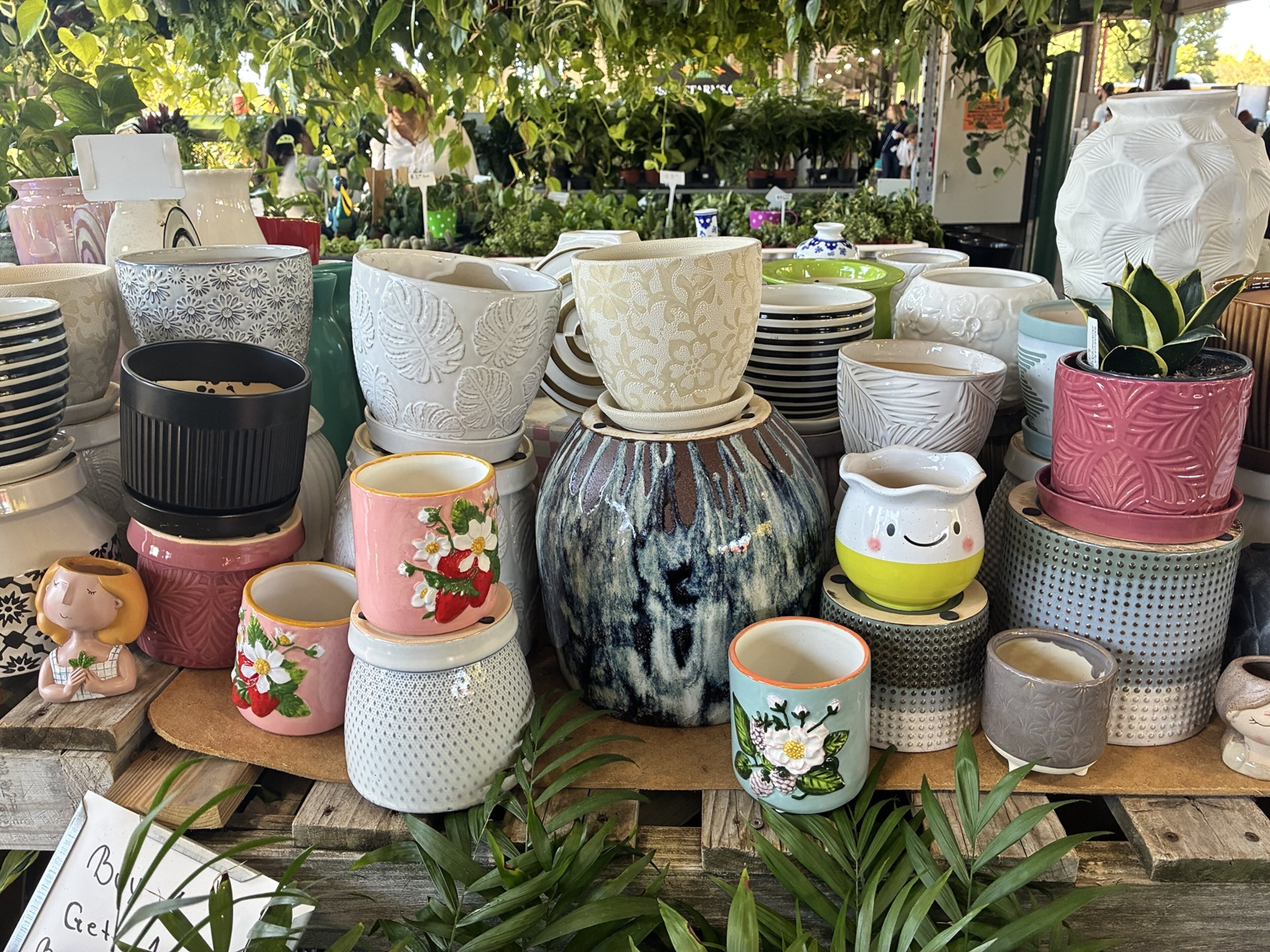
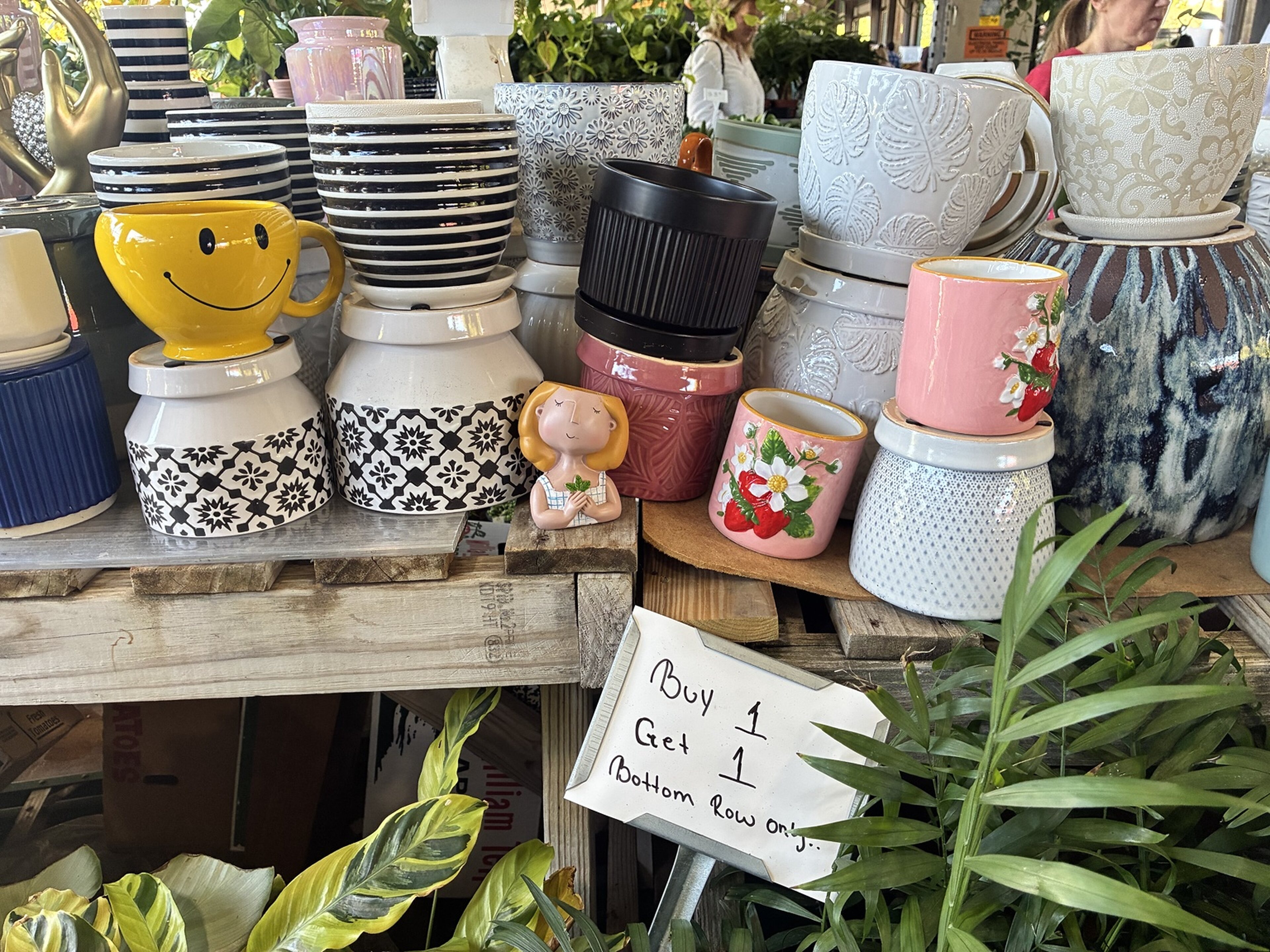
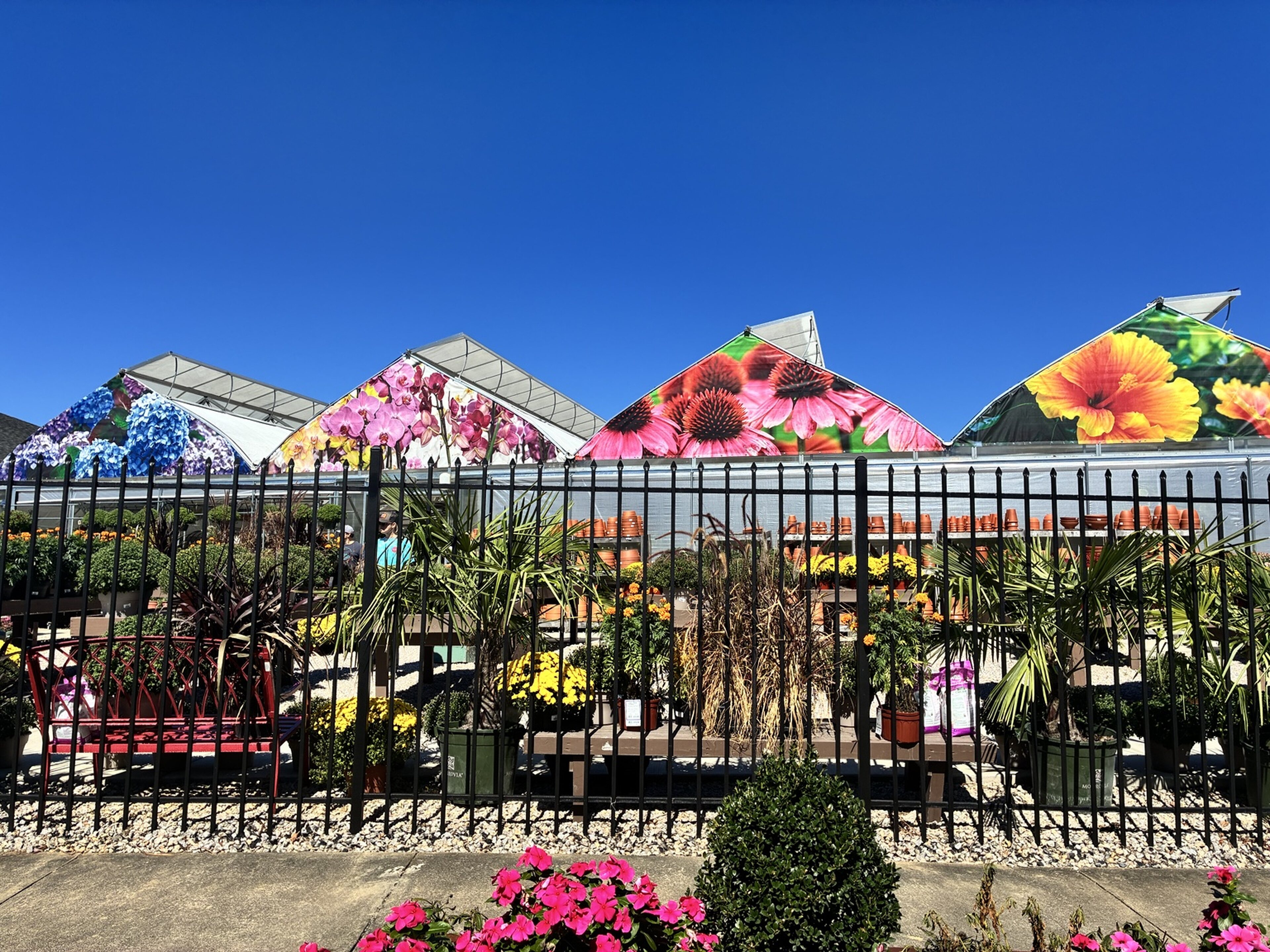
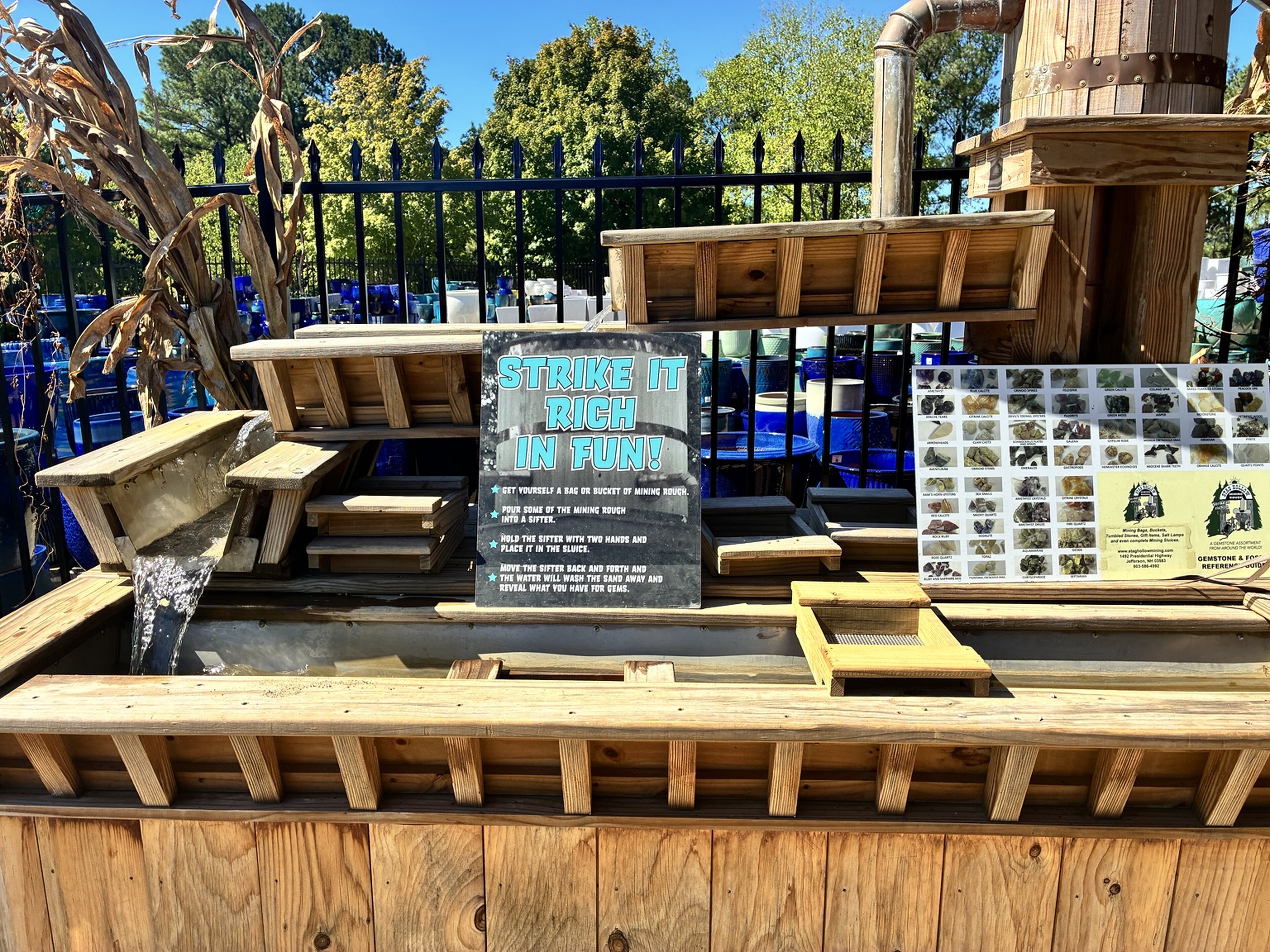
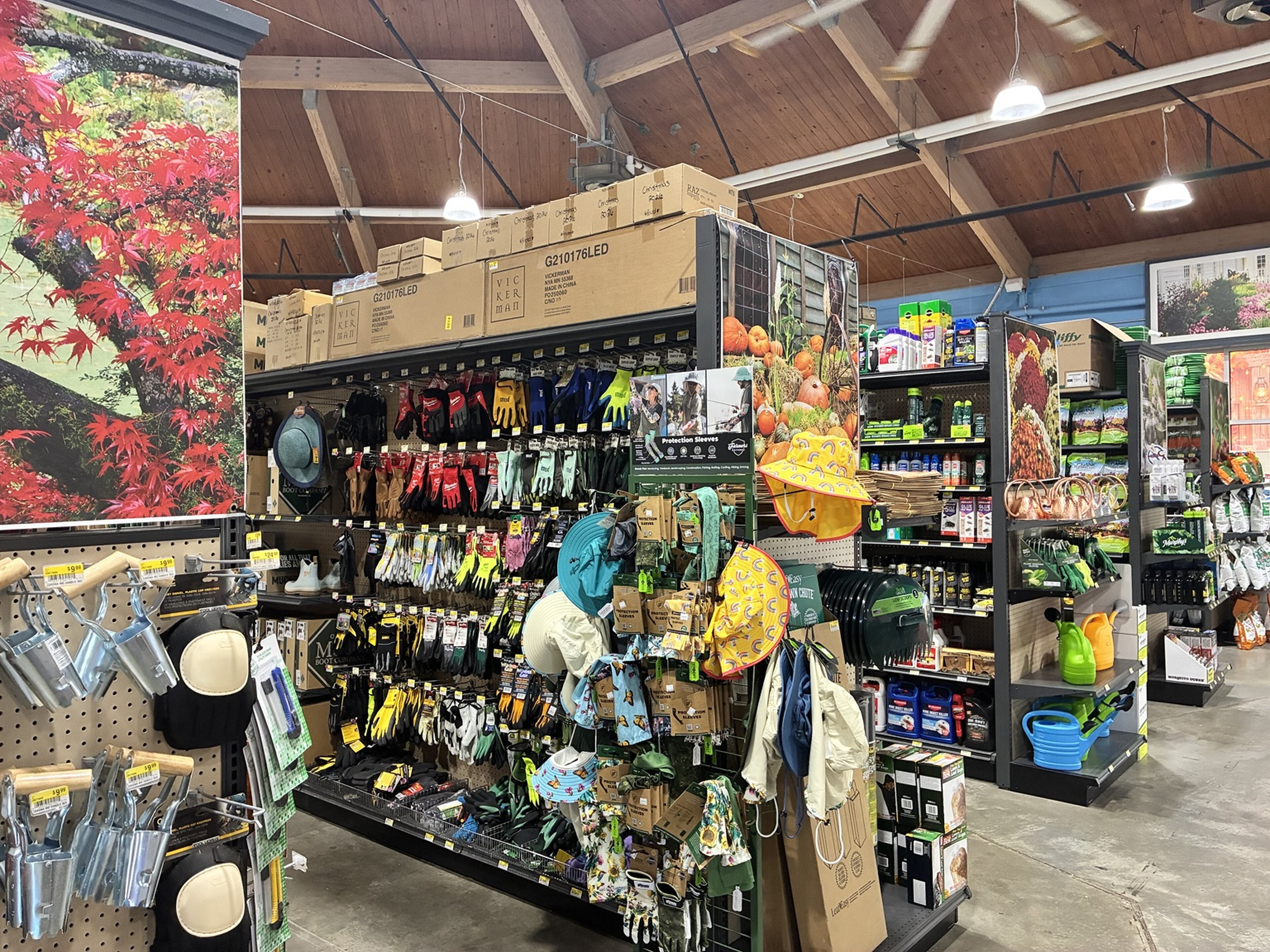
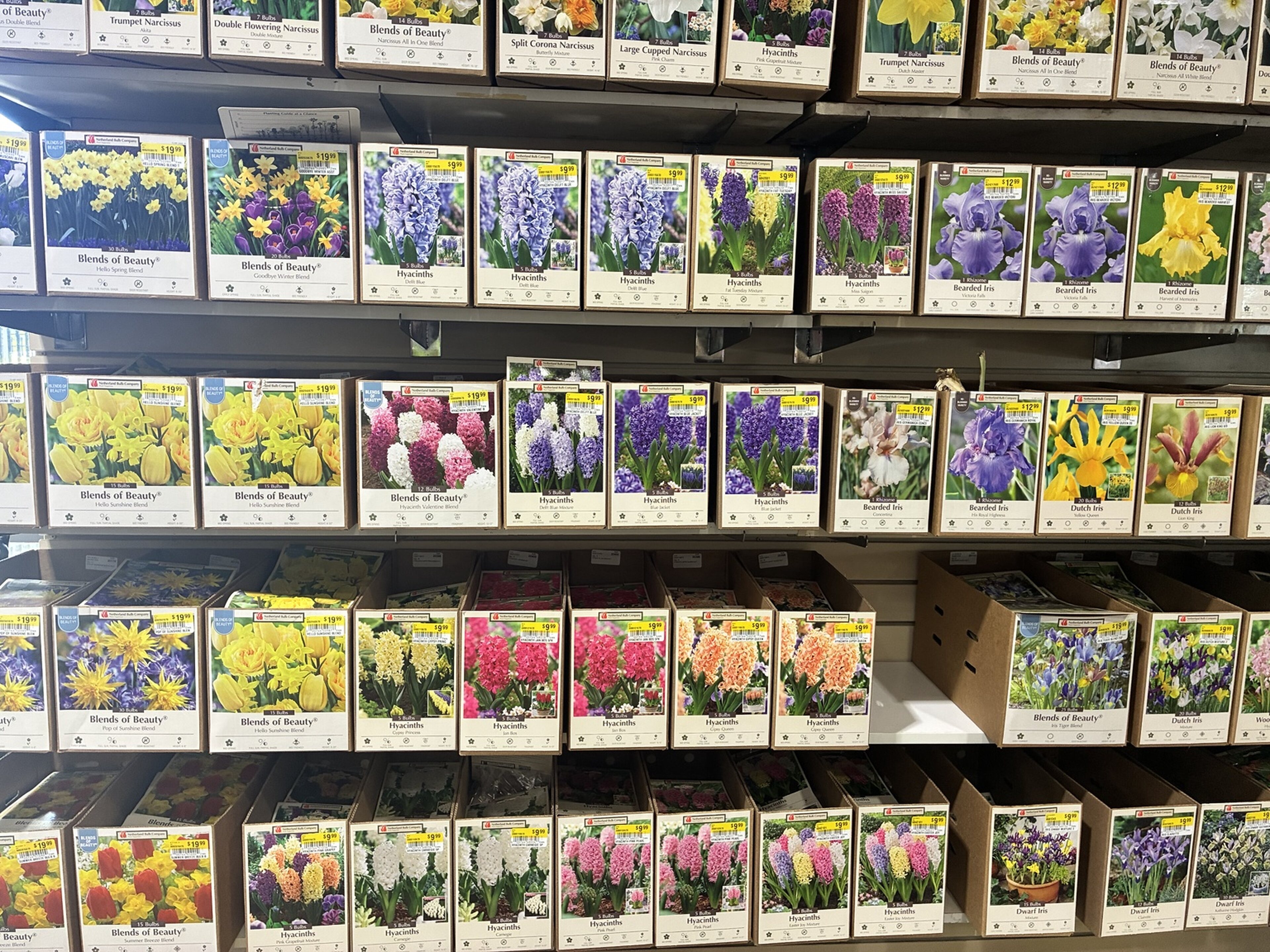
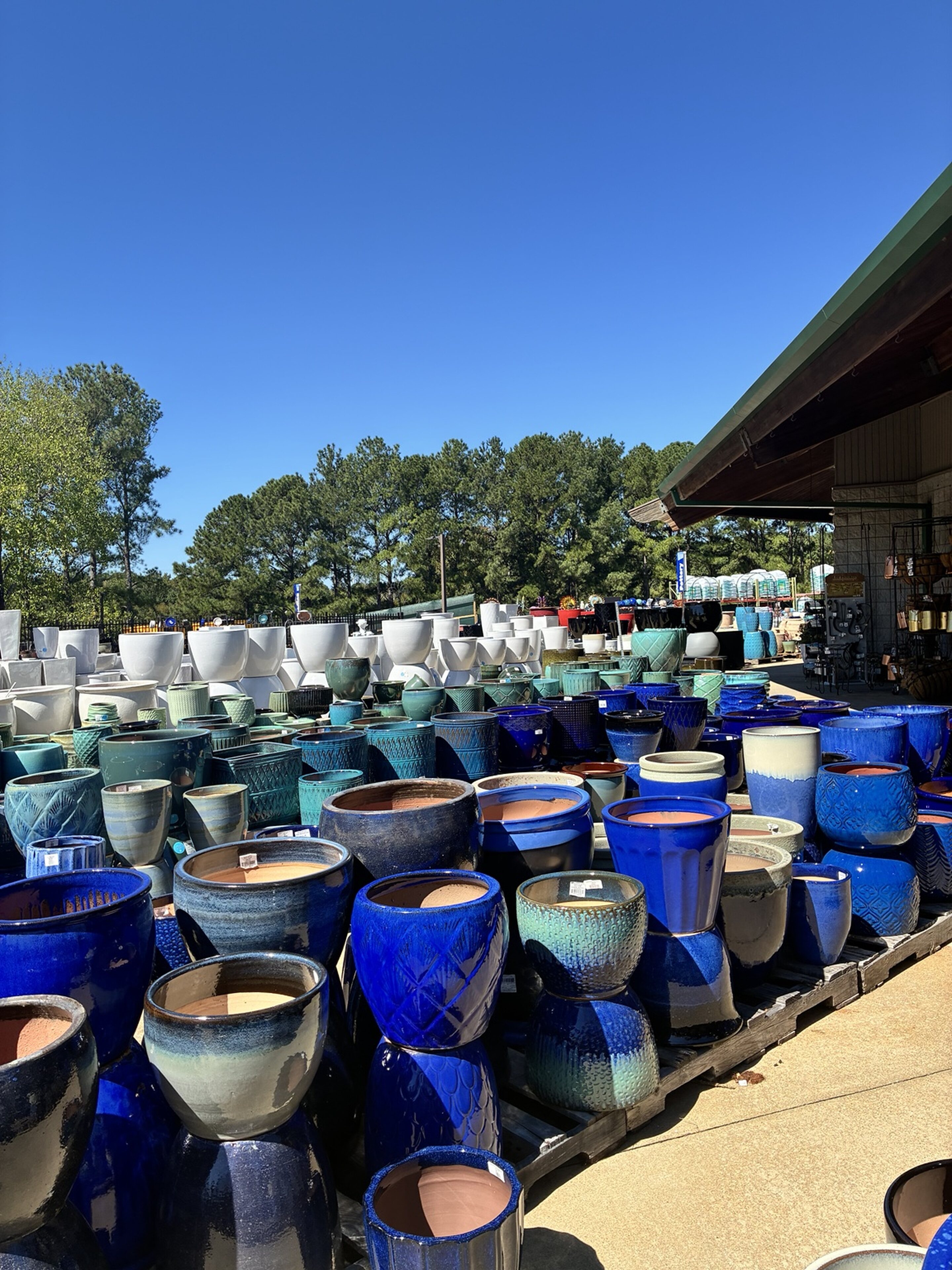
The garden displays feel like a second chapter. A Logan’s sign rises above foliage, and an old truck anchors a planted display. Indoors, tables and shelves are filled with garden and home merchandise. Outdoors, rows of containers introduce glossy blues and greens alongside neutral pots.

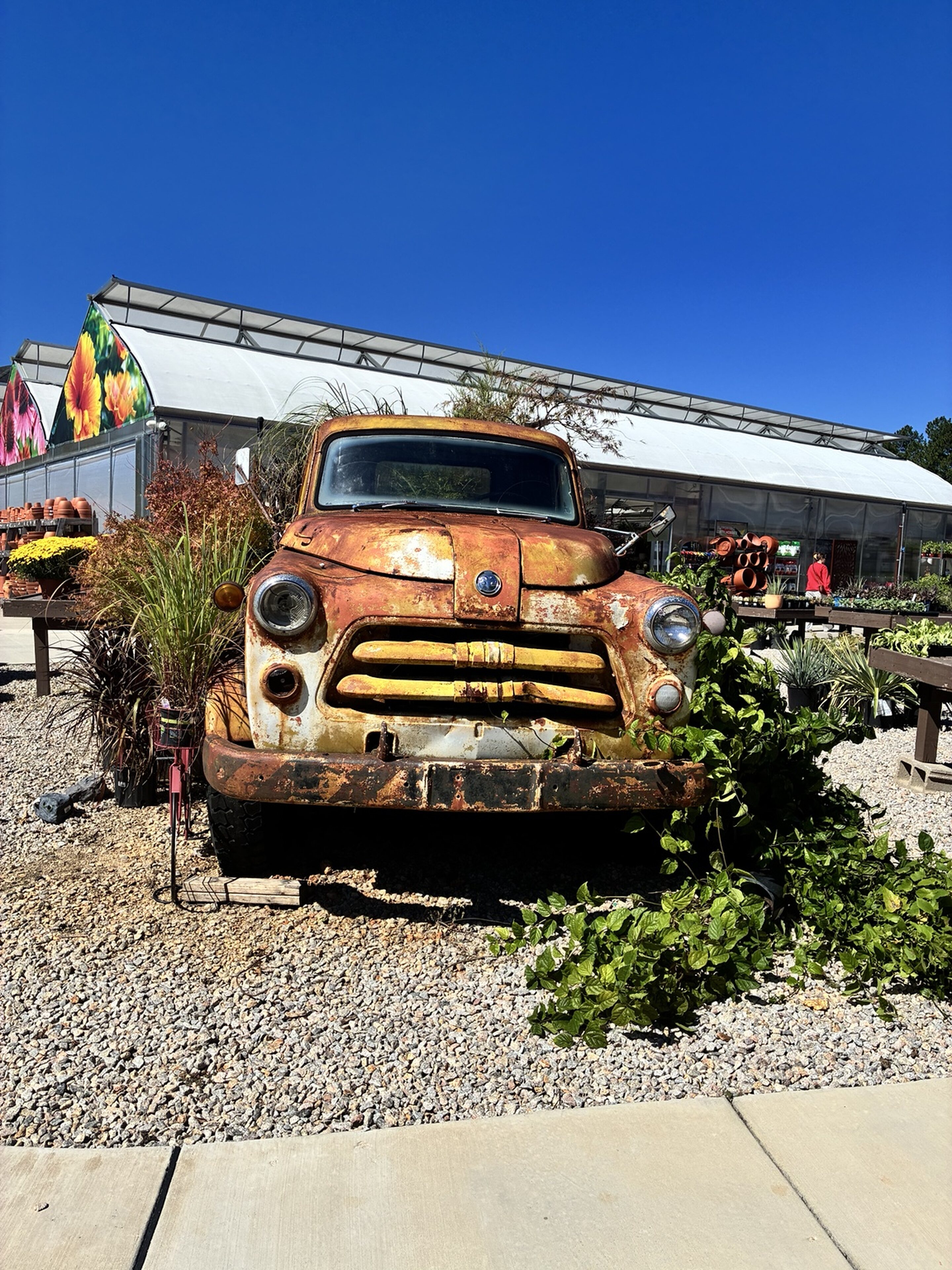
Logan’s Garden Shop is listed as the garden center in the official market guide. Plants are only part of the visual appeal here: containers, display arrangements, and decorative details can send you home with ideas for a small porch or an empty corner.
Before buying a plant, think about where it will live. Know roughly how much sunlight the spot receives and whether the plant will be indoors or outside. If you are choosing a container, ask about drainage and suitability for that location. A beautiful pot is more useful when it also works for the plant.
An easy way to pace the visit
Use this as a flexible browsing order rather than a timed tour. Your route can change with the weather, your shopping list, and which businesses are open.
1. Make a first pass through the produce area. See what is available before deciding what to carry. Note any stall you want to return to.
2. Pause at the seasonal displays. Compare pumpkins, gourds, and decorative pieces. Ask before rearranging a display or taking a close-up portrait of a seller.
3. Browse the Market Shoppes. Look beyond the first counter and leave space for a pantry item or a small gift.
4. Explore the garden displays. Bring measurements if you are shopping for a planter. Consider making bulky purchases near the end of the visit.
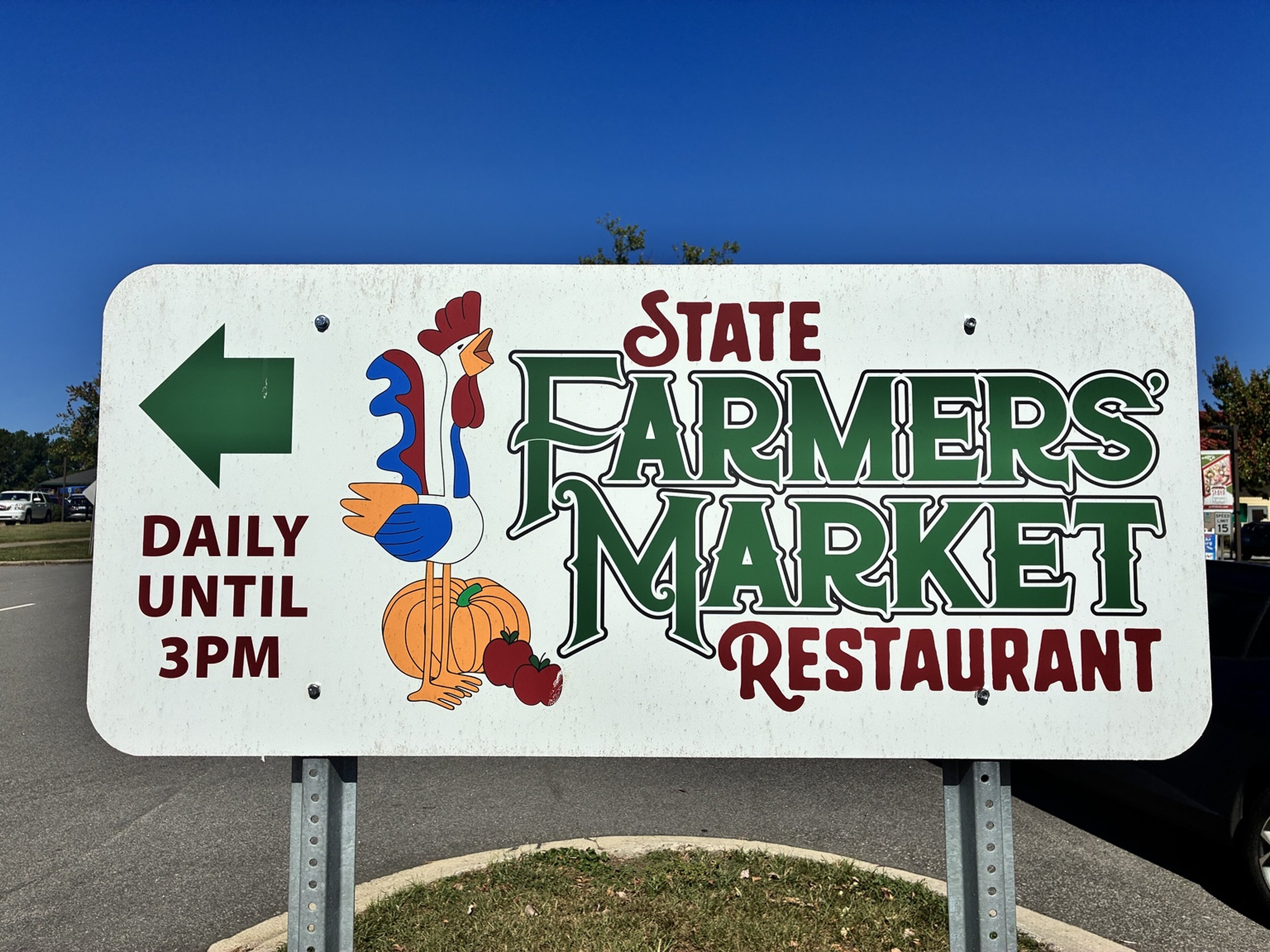
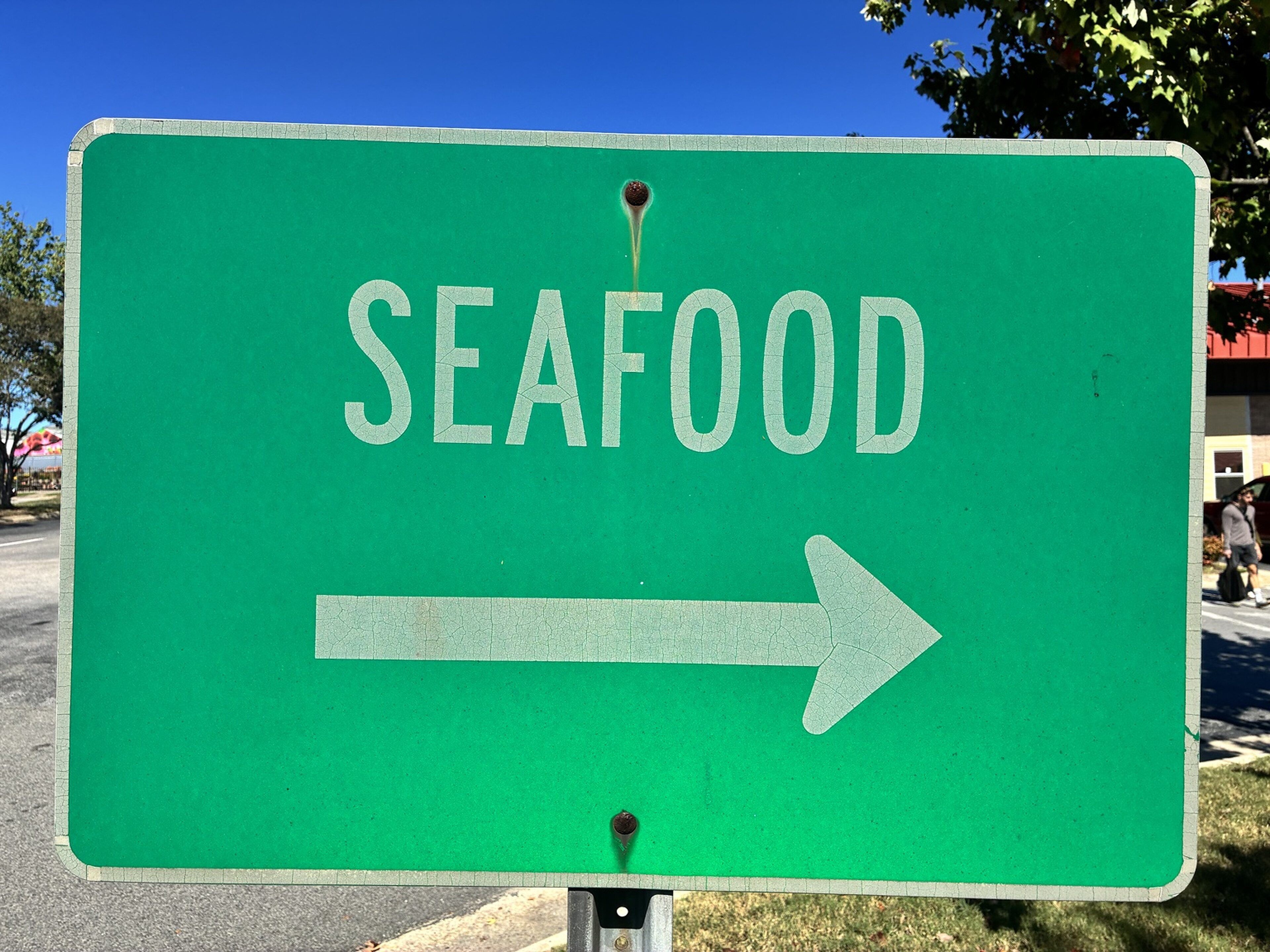
5. Build in a meal if it fits. The official guide lists restaurants on the grounds, including the State Farmers Market Restaurant and N.C. Seafood Restaurant. Check each business’s hours before planning around it.
Bring reusable bags and comfortable shoes. If you expect to buy items that need to stay cold, plan for insulated storage and the trip home. Keep purchases manageable so you can enjoy the walk without juggling more than you can comfortably carry.
A Raleigh outing in the small details
The appeal is in the variety: everyday ingredients beside seasonal decorations, farm names above handwritten notes, indoor shelves followed by outdoor rows of pottery. No single stop needs to explain the whole place.
Go with something you need, leave time to look around, and pay attention to the displays between your planned stops. A familiar local destination can look different when you give its small details a little more time.
The complete photo journal
Explore 28 additional photographs from the visit. Select an image to open the larger version.






Sources and visitor updates
Visitor information checked September 26, 2026, against the State Farmers Market’s official page and Shop the Market guide. Individual business hours, availability, and prices may change.
Photography: Our Raleigh. Original photographs from the visit; no generated scenes.